Skip to content
Nov 22, 2025
What is mooring buoyancy and why it matters
Understanding Mooring Systems: The Role of Buoyancy
Imagine a boat anchored in a harbor, bobbing gently with the waves. What keeps it from drifting away? The answer lies in the mooring system, a combination of anchors, chains, and buoys designed to hold vessels securely in place. Among these components, buoyancy plays a crucial role. But what exactly is mooring buoyancy, and why should anyone involved with marine operations care about it?
Mooring buoyancy refers to the upward force exerted by a buoy or flotation device attached to a mooring line or anchor system. This force counteracts the weight of the mooring equipment and the pull from currents, waves, and wind. Without adequate buoyancy, mooring lines can become slack, tangled, or even fail, leading to dangerous situations for boats and infrastructure alike.
In addition to providing stability, buoyancy also contributes to the overall safety of marine operations by ensuring that vessels remain securely moored even in adverse weather conditions. For instance, during storms or high winds, the forces acting on a boat can significantly increase, making it essential for the mooring system to be robust and well-designed. Buoys that are specifically engineered for such conditions can absorb some of the shock and movement, reducing the risk of damage to both the vessel and the mooring equipment. Furthermore, the materials used in these buoys, often high-density polyethylene or other durable substances, are selected not only for their buoyant properties but also for their resistance to corrosion and UV degradation, ensuring longevity and reliability in marine environments.
Moreover, the design of a mooring system can vary widely depending on the specific needs of the location and the type of vessels being moored. For example, in busy commercial ports, where larger ships are frequently docked, a more complex system involving multiple anchors and heavy-duty buoys may be necessary to accommodate the larger forces at play. In contrast, recreational marinas may utilize simpler mooring systems that are easier to deploy and maintain. Understanding the nuances of these systems, including how buoyancy interacts with other elements such as tidal changes and sediment movement, is vital for anyone involved in marine operations, from harbor masters to boat owners.
How Buoyancy Works in Mooring Systems
The Basics of Buoyancy
Buoyancy is a physical principle described by Archimedes’ principle: an object submerged in a fluid experiences an upward force equal to the weight of the fluid it displaces. In mooring systems, buoys are designed to displace enough water to provide the necessary lift to keep mooring lines taut and operational.
This lift is essential because mooring lines are subjected to various forces, including the vessel’s weight, water currents, and wave action. The buoyancy helps to maintain tension, preventing the lines from dragging on the seabed or becoming entangled with underwater obstacles. Moreover, the design of these systems must account for dynamic forces, such as wind and tidal changes, which can significantly affect the stability of the moored vessel. The interplay of these forces can lead to a complex environment where the buoyancy of the mooring system plays a crucial role in ensuring safety and functionality.
Types of Buoys and Their Buoyancy Characteristics
There are several types of buoys used in mooring systems, each with unique buoyancy properties:
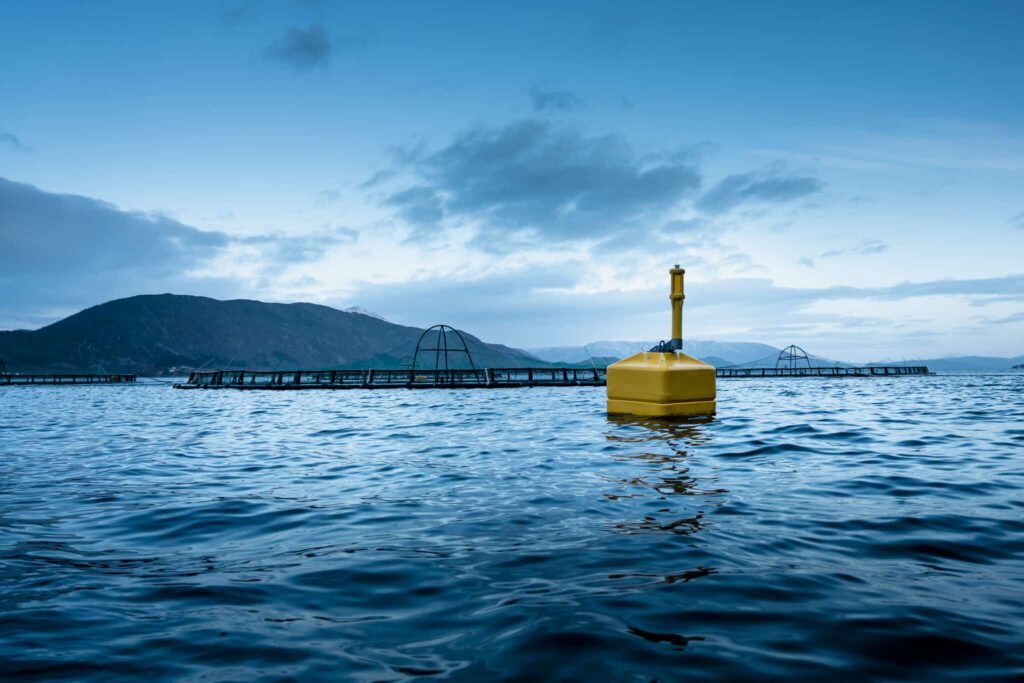
- Surface Buoys: These float on the water’s surface and provide visible markers for mooring points. Their buoyancy is designed to keep chains and ropes elevated above the seabed.
- Subsurface Buoys: Positioned below the water’s surface, these buoys help maintain tension on mooring lines without obstructing surface navigation.
- Marker Buoys: While primarily used for navigation or hazard marking, these can also contribute to buoyancy in some mooring setups.
Choosing the right type and size of buoy is critical for ensuring the mooring system functions correctly under varying environmental conditions. For instance, in areas prone to strong currents or heavy wave action, larger and more robust buoys may be required to withstand the forces exerted on the mooring lines. Additionally, the material composition of the buoys plays a significant role in their durability and effectiveness. High-density polyethylene (HDPE) is often favored for its resilience against UV rays and marine growth, while other materials may be selected based on specific environmental challenges.
Furthermore, advancements in technology have led to the development of specialized buoys equipped with sensors that monitor environmental conditions such as water temperature, salinity, and wave height. These smart buoys can provide real-time data to operators, allowing for better management of mooring systems and enhanced safety measures. As the maritime industry continues to evolve, the integration of such technologies promises to improve the efficiency and reliability of mooring systems, making them more adaptable to the changing conditions of our oceans.
Why Mooring Buoyancy Matters
Maintaining Safety and Stability
One of the most important reasons mooring buoyancy matters is safety. Without proper buoyancy, mooring lines can slacken or break, causing vessels to drift uncontrollably. This can lead to collisions, grounding, or damage to nearby structures.
Buoyancy also helps to absorb and distribute the forces exerted by waves and currents, reducing stress on the mooring system and extending its lifespan. A well-designed buoyant mooring system keeps vessels stable even in rough conditions. Additionally, the right buoyancy can prevent the mooring lines from becoming entangled, which can create hazardous situations for both the vessel and other nearby boats. By ensuring that the mooring system is adequately buoyant, vessel operators can enjoy peace of mind knowing that their boats are securely held in place, even during inclement weather.
Protecting Marine Environments
Improperly tensioned mooring lines can drag along the seabed, damaging sensitive ecosystems such as coral reefs and seagrass beds. By ensuring adequate buoyancy, mooring systems minimize contact with the ocean floor, helping to preserve marine habitats.
Environmental regulations in many regions require mooring systems to be designed with buoyancy considerations to reduce ecological impact. This makes understanding and implementing proper buoyancy not only a technical concern but an environmental responsibility. Moreover, the use of eco-friendly materials in buoyant mooring systems is gaining traction, as it aligns with the growing emphasis on sustainability in marine operations. These innovations not only protect delicate marine ecosystems but also contribute to the overall health of oceanic environments, ensuring that future generations can enjoy the beauty and resources of our seas.
Enhancing Operational Efficiency
For commercial and recreational boating, efficient mooring systems mean less time spent adjusting lines and more time on the water. Buoyancy keeps mooring lines organized and accessible, reducing wear and tear on equipment.
In ports and marinas, well-maintained buoyant mooring systems facilitate smooth docking and undocking processes, improving overall operational flow and safety for all vessels involved. Furthermore, the integration of modern technology, such as automated mooring systems that utilize buoyancy principles, is revolutionizing the way vessels are secured. These systems can adapt to changing conditions in real-time, ensuring that boats remain stable and secure without constant manual adjustments. This not only enhances safety but also increases the efficiency of maritime operations, allowing for quicker turnaround times and better resource management within busy harbors.
Design Considerations for Mooring Buoyancy
Calculating Required Buoyancy
Designing a mooring system starts with calculating the correct amount of buoyancy needed. This depends on several factors:
- The weight and size of the vessel
- The depth of the water
- Environmental forces such as current speed and wave height
- The type and length of mooring lines used
Engineers use these parameters to determine the volume and placement of buoys, ensuring the system maintains proper tension and stability under expected conditions. Additionally, it is crucial to consider the potential for dynamic loading, which can occur due to wind and wave action. This dynamic aspect can significantly influence the buoyancy requirements, as the forces acting on the mooring system can fluctuate based on environmental conditions. Advanced modeling techniques, such as computational fluid dynamics (CFD), are often employed to simulate these scenarios and refine buoyancy calculations further.
Material Selection and Durability
Buoys must withstand harsh marine environments. Materials like high-density polyethylene (HDPE), foam-filled composites, and corrosion-resistant metals are common choices. These materials provide durability, resistance to UV degradation, and the ability to maintain buoyancy even if punctured. Furthermore, the selection of materials is not just about durability; it also involves considerations of weight, cost, and environmental impact. For instance, eco-friendly materials are increasingly being explored to minimize the ecological footprint of mooring systems, especially in sensitive marine habitats. Innovations in material science are leading to the development of lighter yet stronger composites that can enhance performance while reducing installation and maintenance costs.
Regular maintenance checks are essential to ensure buoys retain their buoyancy and structural integrity over time. This includes inspecting for signs of wear, checking for marine growth that can add weight and affect performance, and ensuring that all connections and fittings remain secure. Implementing a proactive maintenance schedule can extend the lifespan of the mooring system and prevent costly failures.
Placement and Configuration
The location of buoys in a mooring system affects performance significantly. Surface buoys are often placed near the anchor or along the mooring line to keep it suspended above the seabed. Subsurface buoys might be strategically positioned to balance forces and reduce line sagging. The orientation of the mooring lines in relation to prevailing currents and wind directions is also a critical factor that can influence buoy placement. Proper alignment can minimize stress on the mooring lines and enhance the overall stability of the system.
Configurations vary depending on the application—whether it’s a single-point mooring for a small boat or a complex multi-point mooring for large vessels or offshore platforms. In multi-point systems, the arrangement of buoys can be designed to create a more stable platform, distributing loads evenly and allowing for greater flexibility in vessel movement. Advanced technologies, such as automated monitoring systems, are increasingly being integrated into mooring designs to provide real-time data on buoy performance and environmental conditions, enabling operators to make informed adjustments as necessary.
Common Challenges and Solutions in Mooring Buoyancy
Dealing with Changing Water Levels
Tides and fluctuating water levels can affect mooring line tension. Buoyancy must be sufficient to accommodate these changes without causing slack or excessive strain. Adjustable buoy systems or elastic mooring components can help manage these variations effectively.
Preventing Biofouling and Damage
Marine growth like algae and barnacles can add weight to buoys, reducing their buoyancy over time. Regular cleaning and the use of anti-fouling coatings are necessary to maintain performance.
Additionally, impacts from debris or vessels can damage buoy structures. Designing buoys with impact-resistant materials and shapes can mitigate this risk.
Addressing Extreme Weather Conditions
Storms and heavy seas place enormous stress on mooring systems. Buoyancy must be designed with safety margins to handle these forces without failure. In some cases, additional or larger buoys are deployed temporarily during severe weather to enhance system resilience.
Future Trends in Mooring Buoyancy
Smart Buoy Technology
Advancements in sensor technology are leading to the development of smart buoys that monitor tension, position, and environmental conditions in real-time. These buoys can alert operators to potential issues before they become critical, improving safety and maintenance efficiency.
Eco-Friendly Materials
There is growing interest in sustainable materials for buoy construction. Biodegradable foams and recycled plastics are being tested to reduce environmental impact while maintaining buoyancy and durability.
Innovative Mooring Designs
New mooring configurations that optimize buoyancy distribution are being explored, especially for offshore renewable energy installations like floating wind turbines. These designs aim to maximize stability while minimizing material use and environmental footprint.
Conclusion: The Critical Nature of Mooring Buoyancy
Mooring buoyancy may seem like a simple concept, but it is fundamental to the safety, efficiency, and environmental responsibility of marine operations. Properly designed and maintained buoyancy ensures vessels stay secure, ecosystems remain protected, and operations run smoothly.
Whether for a small pleasure craft or a massive offshore platform, understanding and applying the principles of mooring buoyancy is essential. It’s a detail that can make all the difference when the water gets rough or the currents shift unexpectedly.
If you’re looking to enhance the safety, efficiency, and sustainability of your marine operations, Ovun is your ideal partner. Our expertise in rotational- and polyurethane moulding, electronics development, and plastic recycling allows us to offer innovative solutions tailored to the seismic, offshore, subsea, aquaculture, and marine markets. By choosing Ovun, you’re not only investing in top-quality mooring buoyancy products but also contributing to a more sustainable ocean workplace. Together, we can co-create durable, eco-friendly solutions that stand the test of time and the elements. Contact us today to learn how our collaborative approach can benefit your operations and help realize our shared vision of a safe, profitable, and sustainable ocean workplace.