Skip to content
Nov 26, 2025
Why buoyancy is crucial for mooring safety
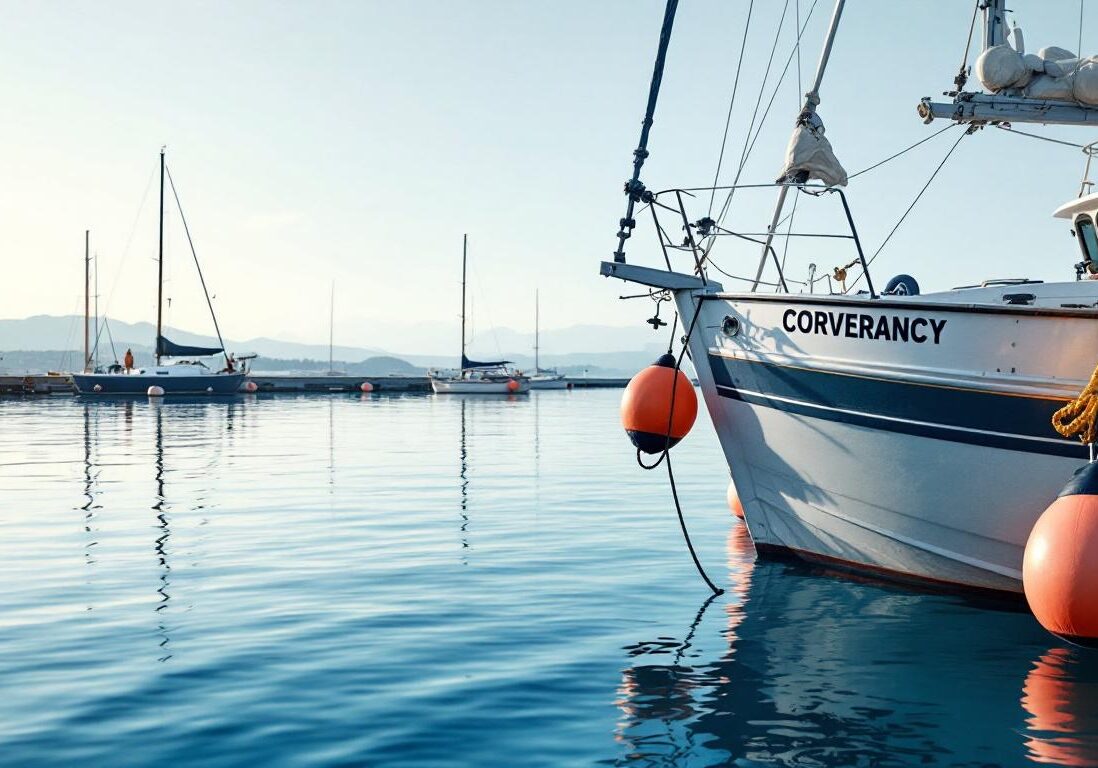
Picture a large vessel anchored offshore, gently swaying with the waves. The mooring system holds it in place, but beneath the surface, a silent force plays a vital role in keeping everything secure: buoyancy. Without it, mooring lines could snap, equipment could fail, and accidents might happen. Understanding why buoyancy is essential for mooring safety can help engineers, operators, and maritime professionals design better systems and prevent costly or dangerous failures.
The role of buoyancy in mooring systems
Mooring systems are designed to keep vessels, floating platforms, or structures fixed in position despite wind, waves, and currents. These systems rely on anchors, chains, ropes, and various components working together. Buoyancy comes into play primarily through the use of buoyant elements attached to mooring lines or equipment.
Buoyancy reduces the effective weight of mooring lines underwater, preventing excessive tension and wear. It also helps maintain the correct shape and position of the mooring lines, avoiding slack or sharp angles that could lead to failure. Without buoyancy, the lines would sag heavily, increasing the risk of entanglement or damage from seabed contact.
How buoyancy affects mooring line tension
When a mooring line is submerged, its weight in water is less than its weight in air, thanks to buoyancy. This reduction in apparent weight lowers the tension in the line, which is critical for safety. Excessive tension can cause lines to snap or damage connection points, while too little tension can result in slack lines that tangle or fail to hold the vessel securely.
By carefully calculating and applying buoyant materials such as foam-filled floats or specialized buoyancy modules, engineers can fine-tune the tension across the mooring system. This ensures the lines remain taut but not overstressed, balancing safety and durability.
Moreover, the strategic placement of buoyant elements can also influence the overall dynamics of the mooring system. For instance, positioning these elements at specific intervals along the mooring lines can help distribute forces more evenly, mitigating the impact of sudden environmental changes like strong gusts of wind or large waves. This distribution is crucial in areas prone to extreme weather, where the forces acting on a moored vessel can fluctuate dramatically. Engineers often simulate various environmental conditions to determine the optimal buoyancy configuration, ensuring that the mooring system can withstand the rigors of its operational environment.
Additionally, the choice of materials used for buoyancy can significantly affect the longevity and performance of the mooring system. Advanced materials that resist degradation from saltwater, UV exposure, and marine growth are increasingly being utilized. These innovations not only enhance the durability of buoyant components but also reduce maintenance costs over time. As the maritime industry continues to evolve, the integration of cutting-edge technology and materials in mooring systems is becoming essential for ensuring the safety and efficiency of marine operations.
Types of buoyancy devices used in mooring
Various buoyancy devices serve different purposes within mooring systems. Their selection depends on factors like water depth, environmental conditions, and the size of the vessel or structure.
Buoyancy modules and floats
Buoyancy modules are often attached along the length of mooring lines to provide lift and reduce weight. These modules are usually made from closed-cell foam or syntactic foam, materials that resist water absorption and maintain buoyancy over time. They come in different shapes and sizes to suit specific mooring configurations. The design of these modules can also be tailored to accommodate the unique stresses experienced by the mooring lines, ensuring that they perform optimally under varying conditions.
Floats serve a similar purpose but are generally larger and might be used to support heavier lines or equipment. They can be spherical, cylindrical, or custom-shaped to optimize hydrodynamic performance and minimize drag. Additionally, floats can be equipped with reflective surfaces or bright colors to enhance visibility, which is crucial for safety in busy waterways. Their strategic placement along mooring lines not only aids in buoyancy but also helps in the quick identification of mooring points during operations.
Buoyant collars and fairings
Some mooring lines are fitted with buoyant collars or fairings that not only provide lift but also protect the lines from abrasion and reduce vortex-induced vibrations. These devices help extend the life of the mooring system by preventing damage caused by constant movement and friction. The materials used for these collars are often engineered to withstand harsh marine environments, including UV exposure and saline conditions, ensuring durability and reliability.
Moreover, the integration of advanced technologies, such as sensors within buoyant collars, is becoming increasingly common. These sensors can monitor the tension and movement of the mooring lines in real-time, providing valuable data for maintenance and operational decisions. By utilizing such innovations, operators can proactively manage their mooring systems, reducing the risk of failure and enhancing overall safety. This evolution in buoyancy device technology reflects the ongoing advancements in marine engineering, aimed at improving the efficiency and effectiveness of mooring solutions in diverse maritime applications.
Why neglecting buoyancy can lead to mooring failures
Ignoring or underestimating the importance of buoyancy in mooring design can have serious consequences. Without proper buoyant support, mooring lines can become overstressed, leading to fatigue, wear, and eventual failure.
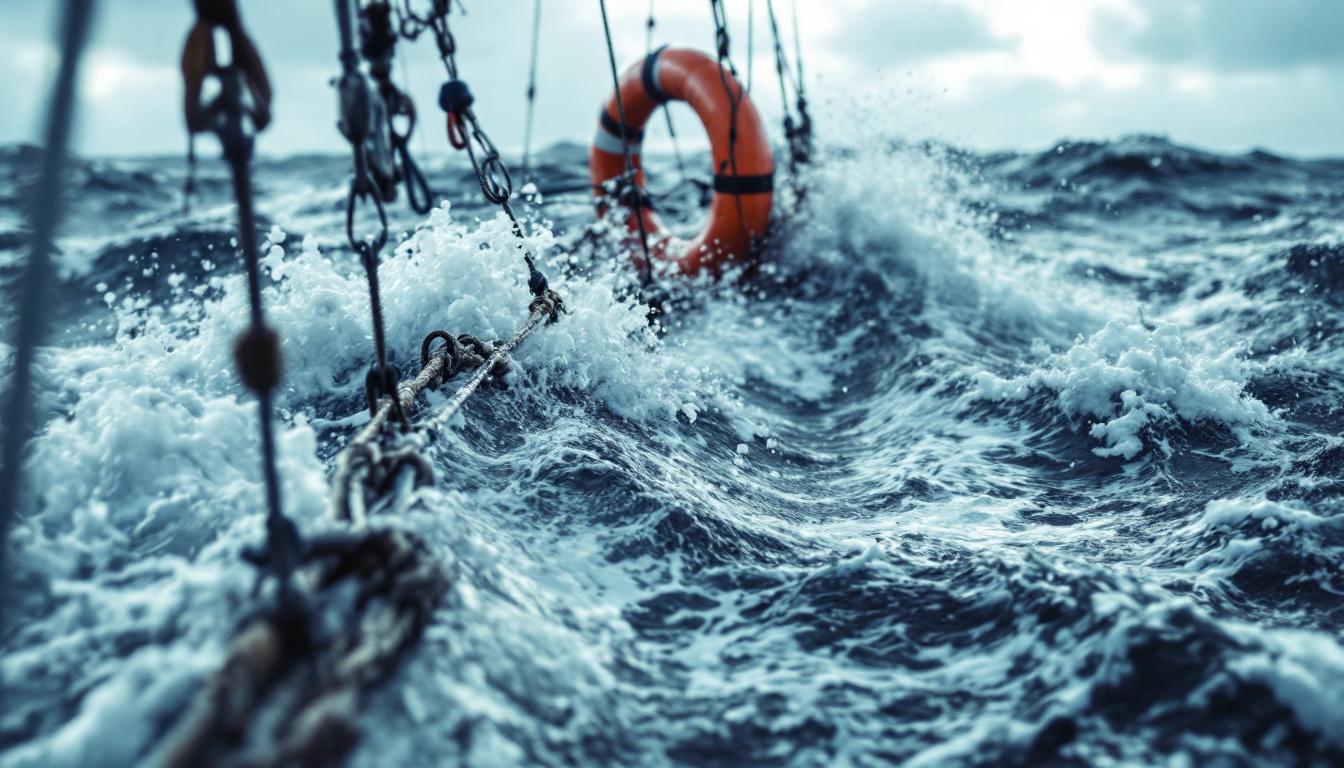
When lines sag excessively, they may drag along the seabed, causing abrasion or snagging on underwater obstacles. This not only damages the lines but can also destabilize the entire mooring system. In extreme cases, a failure in one part of the system can cascade, causing a vessel to drift or collide with other structures.
Case studies of mooring failures linked to buoyancy issues
There have been documented incidents where lack of adequate buoyancy contributed to mooring system failures. For example, offshore platforms have experienced mooring line breakage during storms because the lines were too heavy and lacked sufficient buoyant support. These failures led to costly downtime and dangerous situations for personnel.
Such cases highlight the necessity of incorporating buoyancy considerations early in the design process and regularly inspecting buoyant components for damage or degradation. Additionally, the choice of materials plays a critical role in ensuring buoyancy. For instance, synthetic fibers are often preferred over traditional steel cables due to their lighter weight and superior buoyancy characteristics. This not only enhances the performance of the mooring system but also extends the lifespan of the mooring lines, reducing the frequency of replacements and maintenance.
Furthermore, advancements in technology have led to the development of innovative buoyancy aids, such as modular buoyancy systems that can be adjusted according to changing environmental conditions. These systems allow for real-time monitoring and adjustments, ensuring that mooring lines maintain optimal tension and positioning. By leveraging such technologies, operators can significantly mitigate the risks associated with buoyancy neglect, thereby enhancing the safety and reliability of marine operations.
Design considerations for integrating buoyancy in mooring systems
Designing mooring systems with buoyancy in mind involves several key steps. First, engineers must analyze environmental forces such as currents, waves, and wind that will act on the vessel and its mooring lines. Understanding these forces is essential for predicting how the mooring system will behave under various conditions, ensuring that the vessel remains securely anchored while minimizing the risk of damage to both the vessel and the mooring infrastructure.
Next, they calculate the weight and buoyancy of all components submerged in water. This includes the mooring lines themselves, any attached equipment, and the buoyant devices. The goal is to achieve a balanced system that maintains appropriate tension without overloading any element. Engineers often use computer simulations and modeling techniques to visualize how different configurations will perform, allowing for adjustments before physical implementation.
Material selection and durability
Choosing the right materials for buoyant devices is critical. Materials must resist water absorption, UV degradation, and mechanical wear. Closed-cell foam and syntactic foam are popular because they maintain buoyancy even under pressure and over long periods. Additionally, the use of composite materials can enhance strength while reducing weight, offering a significant advantage in marine applications where every ounce counts.
Furthermore, the attachment methods for buoyant devices must be secure and corrosion-resistant to withstand harsh marine environments. Regular inspections and maintenance ensure the system remains reliable. Engineers often recommend using stainless steel or specialized coatings for metal components to prevent rust and deterioration. The longevity of the mooring system can be significantly increased through careful material choices and proactive maintenance strategies, which are essential for ensuring safety and performance over time.
Adjusting buoyancy for changing conditions
Water density, temperature, and salinity can vary, affecting buoyancy slightly. Mooring systems designed with adjustable buoyancy elements can adapt to these changes, maintaining optimal performance. Some advanced systems include remotely controlled buoyancy modules that can be inflated or deflated as needed. This capability allows operators to respond dynamically to environmental shifts, ensuring that the mooring system can accommodate variations in load and maintain stability.
Moreover, the integration of sensors and monitoring technology into these systems can provide real-time data on environmental conditions and mooring performance. This information can be invaluable for making informed decisions about adjustments to buoyancy, enhancing the overall safety and efficiency of marine operations. With the advent of smart technology, the future of mooring systems is moving towards greater automation and responsiveness, paving the way for innovative solutions in marine engineering.
Frequently asked questions about buoyancy and mooring safety
What happens if a mooring line loses buoyancy?
If a mooring line loses buoyancy, it becomes heavier underwater, increasing tension and the risk of snapping. The line may also sag and drag on the seabed, causing abrasion and potential failure. Maintaining buoyancy is essential to prevent these issues. When a mooring line is compromised in this way, it can lead to a domino effect, where the entire mooring system is destabilized. This instability can result in the vessel drifting from its intended position, which can be particularly dangerous in busy waterways or during adverse weather conditions.
How do buoyancy devices reduce wear on mooring lines?
Buoyancy devices lift mooring lines off the seabed and reduce tension, minimizing friction and abrasion. This protection helps extend the life of the lines by preventing damage caused by contact with rough surfaces or sharp objects underwater. Additionally, buoyancy devices can help distribute the load more evenly across the mooring system, which can further reduce wear on individual components. By ensuring that mooring lines are kept at an optimal height, these devices also help to maintain the integrity of the surrounding marine environment, as they reduce the likelihood of disturbing sensitive habitats on the seabed.
Can buoyancy help during extreme weather conditions?
Yes. During storms or strong currents, buoyancy helps maintain proper tension and positioning of mooring lines, preventing excessive strain. It stabilizes the system and reduces the likelihood of catastrophic failure under harsh conditions. The added buoyancy acts as a shock absorber, allowing the mooring lines to flex and adapt to sudden changes in force, such as waves or wind gusts. This adaptability is crucial for vessels that are exposed to unpredictable weather patterns, as it enhances overall safety and operational reliability during challenging conditions.
Are all mooring systems required to use buoyancy devices?
Not all mooring systems require buoyancy devices, but many benefit from them, especially in deep water or where environmental forces are strong. The decision depends on the specific application, vessel size, and environmental factors. For instance, recreational boats may not need the same level of buoyancy support as large commercial vessels that operate in open seas. Understanding the unique requirements of each mooring situation is vital for ensuring safety and efficiency, and it often involves consulting with marine engineers or safety experts to determine the best approach.
How often should buoyancy devices be inspected?
Regular inspections are crucial. Buoyancy devices should be checked at least annually or more frequently in harsh environments. Inspections look for damage, water ingress, or material degradation that could reduce buoyancy and compromise safety. In addition to visual inspections, it is advisable to conduct functional tests to ensure that the devices are performing as intended. Keeping detailed records of inspections and maintenance can also help track the performance of buoyancy devices over time, allowing for proactive measures to be taken before any potential issues escalate into serious problems.
Final thoughts on buoyancy and mooring safety
Buoyancy is more than just a physical principle-it’s a cornerstone of safe and effective mooring systems. By reducing tension, preventing abrasion, and maintaining line shape, buoyancy devices ensure vessels and floating structures remain secure even in challenging conditions.
Ignoring buoyancy can lead to costly failures and dangerous situations, but thoughtful design, proper material selection, and regular maintenance keep mooring systems reliable. Whether you’re designing a new mooring system or maintaining an existing one, never underestimate the power of buoyancy.
At Ovun, we understand the critical role buoyancy plays in ensuring the safety and efficiency of mooring systems. With our expertise in rotational- and polyurethane moulding, electronics development, and plastic recycling, we are dedicated to providing innovative solutions that meet the unique challenges of the seismic, offshore, subsea, aquaculture, and marine markets. Our commitment to collaboration and co-creation with our customers allows us to deliver products that not only enhance safety and performance but also contribute to a sustainable ocean workplace. If you’re looking to elevate the reliability of your mooring systems with smarter, longer-lasting solutions, and a vision for a safer, more sustainable ocean industry, Contact us today to see how we can work together towards a safer future on the water.