Skip to content
Nov 24, 2025
The science behind mooring buoyancy
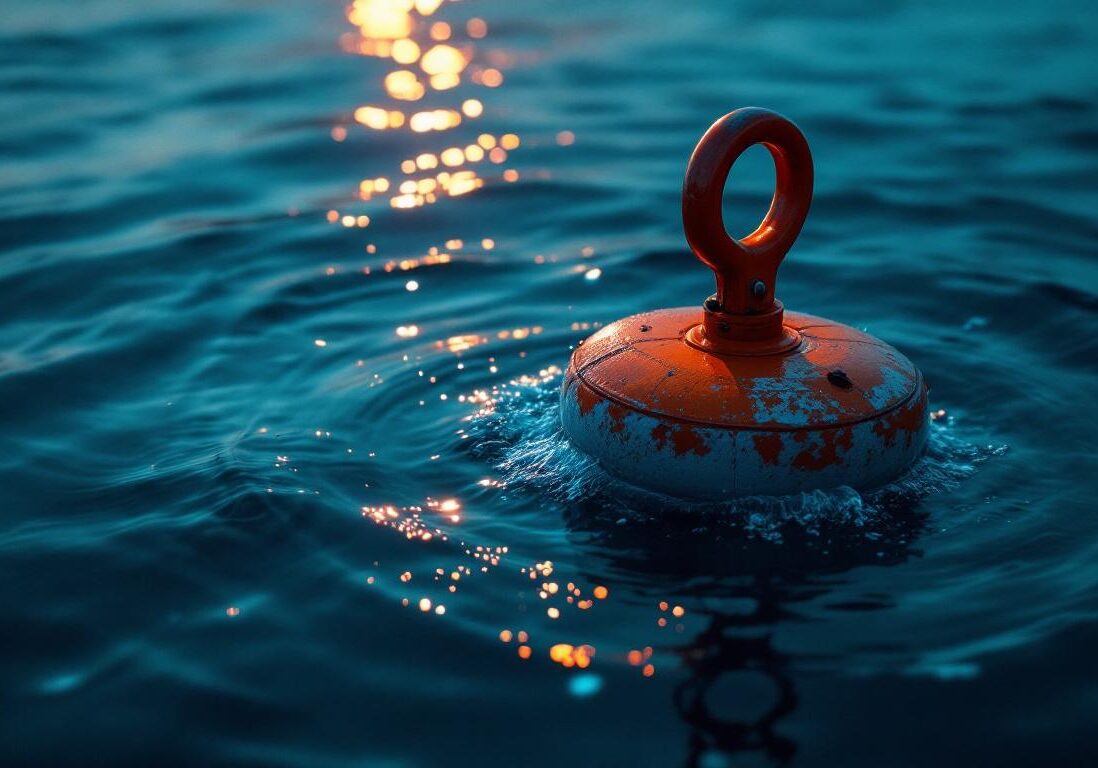
Imagine a massive ship anchored in the middle of the ocean, held steady by a complex system beneath the waves. What keeps that anchor line from snapping or dragging along the seabed? The answer lies in the delicate balance of forces, and a crucial player in this balance is mooring buoyancy. Understanding how buoyancy works in mooring systems is key to designing safe, effective setups that withstand the relentless push and pull of the sea.
What is mooring buoyancy and why does it matter?
Mooring buoyancy refers to the upward force exerted by a buoy or flotation device attached to a mooring line. This force counteracts the weight of the mooring line and any attached equipment, reducing the tension on the anchor and the seabed. Without proper buoyancy, mooring lines can become too heavy and drag or snap, compromising the stability of the vessel or structure they hold in place.
Think of mooring buoyancy as a balancing act. The ocean is constantly moving, with waves, currents, and tides all applying forces that can pull and strain mooring lines. By introducing buoyancy, engineers can adjust the effective weight of the line underwater, controlling how it behaves under these forces. This makes mooring systems safer and more reliable, especially in deep water or harsh conditions.
Moreover, the design and selection of mooring buoys are critical to ensuring that they can withstand various environmental conditions. Different types of buoys, such as spherical, cylindrical, or toroidal, offer distinct advantages based on their shape and buoyancy characteristics. For instance, spherical buoys may provide greater stability in turbulent waters, while cylindrical buoys can be more efficient in terms of space and weight distribution. Understanding these nuances allows marine engineers to tailor mooring systems to specific sites, ensuring optimal performance and longevity.
Additionally, the materials used in constructing mooring buoys play a significant role in their effectiveness. High-density polyethylene (HDPE) and other durable materials are often chosen for their resistance to corrosion, UV degradation, and impacts from marine life. This durability is essential, as buoys are frequently subjected to harsh marine environments, including saltwater exposure and extreme weather conditions. By selecting the right materials and designs, marine operators can significantly extend the lifespan of their mooring systems, reducing maintenance costs and enhancing overall safety in maritime operations.
The physics behind buoyancy in mooring systems
Archimedes’ principle at work
The fundamental science behind mooring buoyancy is Archimedes’ principle. It states that any object submerged in a fluid experiences an upward buoyant force equal to the weight of the fluid displaced by that object. For mooring buoys, this means the volume of water they push aside determines how much upward force they generate.
When a buoy is attached to a mooring line, it displaces a certain volume of water, creating an upward force that counteracts the downward pull of gravity on the line and attached equipment. The balance between these forces determines how taut or slack the mooring line will be. This balance is crucial not only for the stability of the mooring system but also for the safety of the vessels or structures that rely on these systems for anchorage. If the buoyancy is insufficient, the mooring line may become too slack, leading to potential drift or even loss of the anchored object.
Balancing forces in mooring lines
In a mooring system, several forces interact. Gravity pulls the mooring line and equipment downward. Buoyancy pushes upward. Water currents exert horizontal forces, and waves cause cyclic loading. The tension in the mooring line is the result of these competing forces.
By carefully selecting the size and placement of buoyancy devices, engineers can control the shape and tension of the mooring line. For example, adding buoyancy can create a catenary curve in the line, which helps absorb shock loads from waves and reduces stress on the anchor. This design consideration is particularly important in environments with significant wave action or strong currents, where the forces acting on the mooring system can vary dramatically. Additionally, the materials used for the mooring lines and buoys must be chosen for their durability and resistance to corrosion, as marine environments can be harsh and unforgiving. The interplay of these factors not only ensures the effectiveness of the mooring system but also extends its lifespan, making it a crucial aspect of marine engineering.
Types of mooring buoyancy devices
Rigid buoys
Rigid buoys are solid flotation devices made from materials like steel or high-density plastics. They are designed to displace a fixed volume of water and provide consistent buoyant force. These buoys are often used in permanent mooring systems for offshore platforms or large vessels.
Their durability and predictable performance make them ideal for long-term installations. However, their weight and size can be a challenge during deployment and maintenance. Rigid buoys are typically equipped with features like reflective surfaces for visibility and attachment points for mooring lines, which enhance their functionality in various marine environments. Additionally, some rigid buoys are designed with specialized coatings to resist corrosion and marine growth, ensuring longevity and reliability even in harsh conditions.
Flexible buoys and foam-filled devices
Flexible buoys are made from durable fabrics or rubberized materials filled with air or foam. Foam-filled buoys, in particular, are popular because they provide buoyancy even if punctured. They are lighter and easier to handle than rigid buoys, making them suitable for temporary moorings or smaller vessels.
These devices can deform under pressure, which affects their buoyancy characteristics. Engineers must account for this when designing mooring systems to ensure stability and safety. The versatility of flexible buoys allows them to be used in a variety of applications, from recreational boating to commercial fishing. Moreover, their lightweight nature facilitates quick deployment and retrieval, which is particularly advantageous in dynamic environments where conditions can change rapidly. Some models even incorporate bright colors or reflective materials to enhance visibility, ensuring they are easily spotted by passing vessels.
Subsurface buoys
Subsurface buoys are placed below the water’s surface to reduce exposure to surface conditions like waves and storms. They provide buoyancy without creating surface hazards for navigation. These buoys are common in deepwater mooring systems and scientific instrumentation setups.
Because they operate underwater, subsurface buoys require careful design to withstand pressure and avoid biofouling, which can affect their buoyancy over time. Engineers often employ advanced materials and coatings to mitigate these issues, ensuring that the buoys remain functional and efficient. Additionally, subsurface buoys are frequently equipped with sensors and monitoring equipment, allowing for real-time data collection on water conditions, currents, and marine life. This capability is invaluable for research purposes and environmental monitoring, making subsurface buoys an essential component in the growing field of oceanographic studies. Their stealthy presence beneath the waves also minimizes interference with surface activities, making them an ideal choice for sensitive marine environments.
How mooring buoyancy affects system performance
Reducing line tension and wear
One of the primary benefits of mooring buoyancy is the reduction of tension in mooring lines. High tension can cause wear and fatigue, leading to premature failure. By adding buoyancy, the effective weight of the line is lowered, which decreases the load on all components.
This not only extends the lifespan of the mooring system but also enhances safety by reducing the risk of sudden line breaks. Furthermore, reduced tension can lead to lower maintenance costs over time, as less frequent inspections and replacements are required. This economic benefit is crucial for operators who rely on mooring systems for continuous operations, allowing them to allocate resources more efficiently and focus on other critical areas of their maritime activities.
Improving stability in dynamic environments
Ocean conditions are rarely calm. Waves, currents, and tides constantly shift the forces acting on moored vessels and structures. Buoyancy helps absorb and dampen these forces, allowing the mooring line to flex and move rather than snap.
Properly designed buoyancy can also control the vertical and horizontal movement of the moored object, keeping it within safe limits and preventing damage to both the vessel and the seabed. The ability to maintain a stable position is particularly vital for research vessels and floating platforms that require precise positioning for data collection or operations. Additionally, enhanced stability can reduce the risk of collisions with other vessels or structures, further safeguarding the integrity of marine operations.
Facilitating easier deployment and recovery
Buoyancy devices can simplify the deployment and recovery of mooring systems. By reducing the weight and tension of the mooring line, buoys make it easier to handle the equipment during installation or maintenance.
This is especially important in offshore environments where weather windows are limited, and safety is paramount. The use of buoyancy not only accelerates the installation process but also minimizes the risk of accidents during deployment, as personnel can work more efficiently and with less physical strain. Moreover, advancements in buoyancy technology have led to the development of modular systems that can be easily adapted to various mooring configurations, providing greater flexibility for operators in diverse marine settings.
Design considerations for mooring buoyancy
Calculating required buoyant force
Designers start by determining the weight of the mooring line and any attached equipment submerged in water. They then calculate the buoyant force needed to achieve the desired tension and line shape. This involves considering factors like water density, line length, and environmental forces.
Accurate calculations ensure the mooring system performs as expected, avoiding over- or under-buoying, both of which can cause problems.
Material selection and durability
Materials must withstand harsh marine environments, including saltwater corrosion, UV exposure, and mechanical wear. Rigid buoys often use coated metals or high-grade plastics, while flexible buoys rely on reinforced fabrics and durable foam.
Longevity and maintenance requirements influence material choices, impacting the overall reliability of the mooring system.
Placement and configuration
The location and number of buoyancy devices along the mooring line affect system behavior. Strategic placement can create desired line shapes, such as catenary curves or taut vertical moorings, depending on the application.
Engineers must also consider accessibility for inspection and repair when deciding on buoy placement.
Common challenges and solutions in mooring buoyancy
Biofouling and its impact
Marine organisms like barnacles and algae can accumulate on buoy surfaces, increasing weight and reducing buoyancy. This biofouling can compromise the performance of mooring systems over time.
Regular cleaning and the use of antifouling coatings help mitigate this issue, maintaining buoyancy and system integrity.
Pressure effects on subsurface buoys
At depth, water pressure increases significantly, compressing flexible buoys and reducing their volume and buoyant force. This can alter mooring line tension unexpectedly.
Designers compensate by selecting materials that resist compression or by oversizing buoyancy devices to account for pressure effects.
Dynamic loading and fatigue
Repeated wave action causes cyclic loading on mooring lines and buoyancy devices. Over time, this can lead to material fatigue and failure if not properly addressed.
Using buoyancy to reduce peak loads and selecting fatigue-resistant materials are common strategies to extend system life.
FAQ: Understanding mooring buoyancy
What role does buoyancy play in preventing mooring line failure?
Buoyancy reduces the effective weight of the mooring line underwater, decreasing tension and stress on the line. This helps prevent snapping or dragging, which can cause mooring line failure.
How do engineers determine the right amount of buoyancy for a mooring system?
They calculate the submerged weight of the mooring line and equipment, then design buoyancy devices to offset enough of this weight to achieve the desired tension and line shape, factoring in environmental forces like currents and waves.
Why are subsurface buoys used instead of surface buoys in some cases?
Subsurface buoys reduce exposure to surface hazards such as storms and vessel traffic. They also minimize wave-induced motion, providing more stable mooring in deepwater applications.
Can mooring buoyancy devices fail, and if so, how?
Yes. They can fail due to punctures, material degradation, biofouling, or pressure-related compression. Proper material selection, maintenance, and design help prevent these failures.
How does biofouling affect mooring buoyancy?
Biofouling adds weight to buoyancy devices, reducing their effective buoyant force. This can increase line tension and affect mooring stability, so regular cleaning and antifouling measures are important.
Final thoughts on mooring buoyancy
Mooring buoyancy is a subtle but powerful force that keeps vessels and structures anchored safely in place. Its science is rooted in fundamental physics but requires careful engineering to apply effectively in the challenging ocean environment. By balancing forces, selecting the right materials, and anticipating environmental impacts, mooring systems can remain reliable and durable for years.
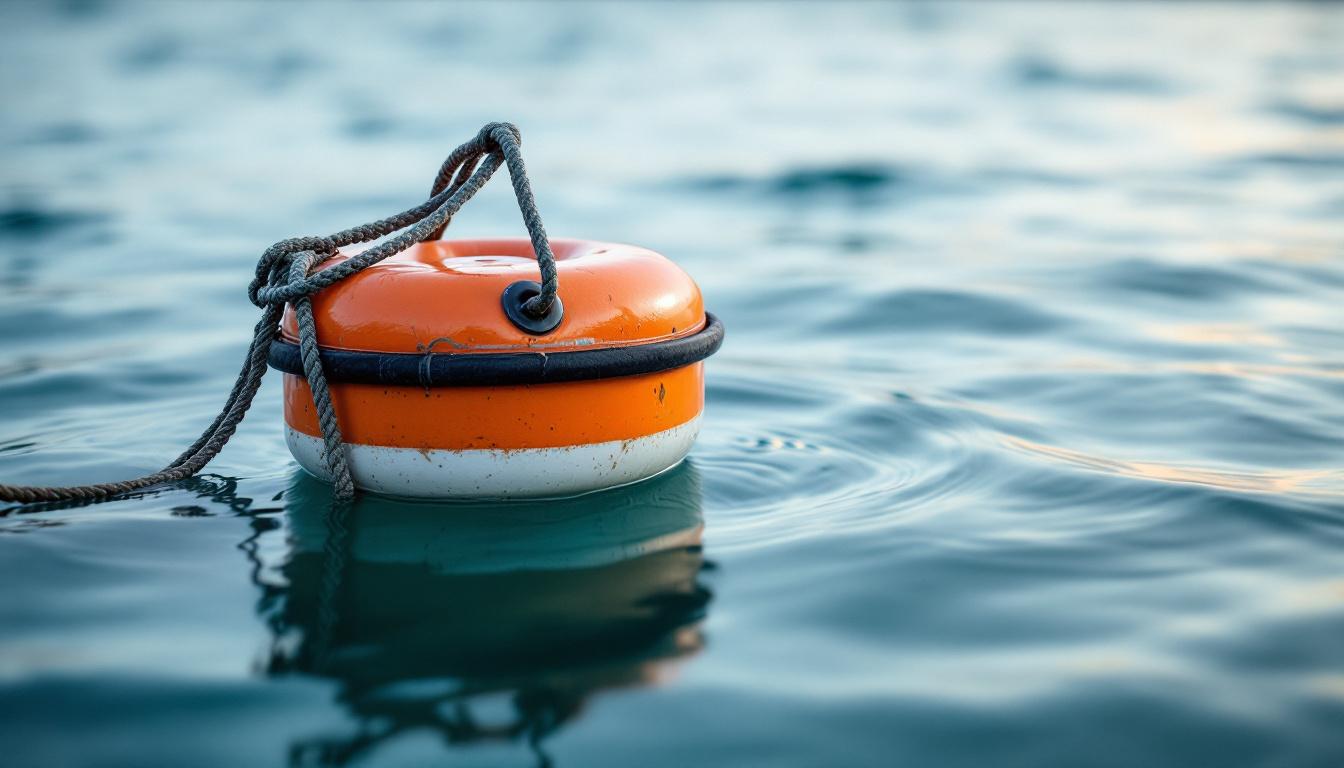
Next time you see a buoy bobbing on the water, remember it’s not just floating-it’s part of a finely tuned system keeping the ocean’s giants steady against the relentless sea.
If you’re inspired by the intricate balance of forces at play in mooring buoyancy and are seeking innovative solutions that enhance safety and performance in marine environments, look no further than Ovun. Our expertise in rotational- and polyurethane moulding, electronics development, and plastic recycling positions us at the forefront of creating durable, sustainable products tailored to the seismic, offshore, subsea, aquaculture, and marine markets. Join us in our vision to transform the ocean into a safe, profitable, and sustainable workplace. Let’s co-create the future of mooring systems together. Contact us today to explore how our smart solutions can support your maritime operations.