Skip to content
Nov 27, 2025
How buoyancy enhances mooring stability
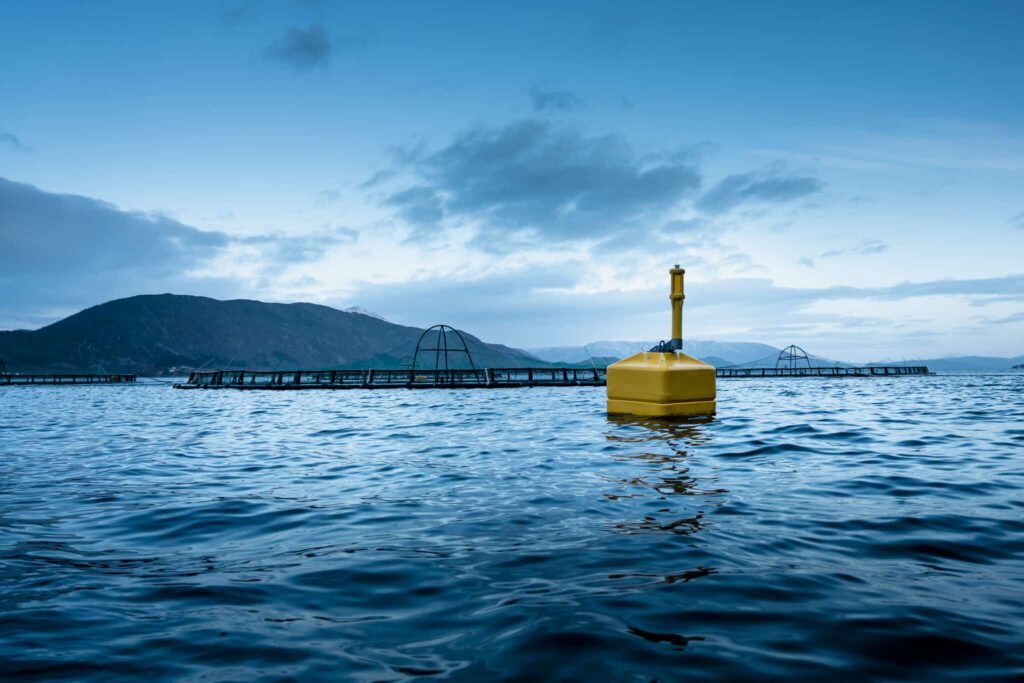
Imagine a massive offshore platform anchored deep in the ocean. Despite relentless waves, shifting currents, and powerful winds, it remains steady, reliable, and safe. What keeps it from drifting away or tipping over? A key factor is buoyancy – the invisible force that helps balance and stabilize mooring systems in the harsh marine environment.
The fundamentals of mooring and buoyancy
Mooring systems are essential for securing floating structures like oil rigs, floating wind turbines, and ships. They typically consist of anchors, chains, wires, and sometimes synthetic ropes. These components work together to hold the structure in place against environmental forces. The design and configuration of these systems can vary widely depending on the specific needs of the floating structure, the water depth, and the environmental conditions of the area. For instance, in areas with strong currents or high wave action, more robust mooring systems may be required to ensure stability and safety.
Buoyancy, on the other hand, is the upward force exerted by a fluid that opposes the weight of an object immersed in it. In mooring systems, buoyancy elements are often added intentionally to influence the tension and positioning of mooring lines. This interplay between buoyancy and weight is crucial for maintaining stability. The materials used for buoyancy can range from hollow plastic floats to specialized buoyancy modules designed to withstand harsh marine environments. Understanding the principles of buoyancy is essential for engineers and designers who aim to create efficient and reliable mooring systems.
How buoyancy affects mooring line tension
Without buoyancy, mooring lines would hang straight down, subjected to the full weight of their own mass plus the forces from currents and waves. This could cause excessive tension, leading to wear or even failure. By strategically placing buoyant devices along the mooring lines, the effective weight is reduced, and the lines adopt a more catenary shape. This shape naturally absorbs shocks and distributes loads more evenly. Moreover, the buoyancy aids in maintaining a consistent tension across the mooring lines, which is vital for the overall integrity of the mooring system. Engineers often conduct simulations and field tests to determine the optimal placement and type of buoyancy elements to ensure maximum efficiency and safety.
Buoyancy’s role in reducing seabed impact
When mooring lines are too taut, they pull hard on the anchors and the seabed. This can cause anchors to drag or disturb the ocean floor, which is both environmentally harmful and a risk to mooring integrity. Buoyancy helps by lifting sections of the mooring line, reducing the direct downward force on the seabed and allowing for some flexibility in movement. This is particularly important in sensitive marine ecosystems where disturbance can lead to long-term damage. Additionally, buoyancy can help mitigate the effects of sedimentation around the anchors, as a more dynamic mooring line allows for the natural movement of sediment, reducing the likelihood of anchor burial or destabilization. The careful design of mooring systems with buoyancy considerations can thus contribute to more sustainable marine operations, balancing the needs of industry with environmental stewardship.
Types of buoyancy devices used in mooring systems
Buoyancy devices come in various shapes and sizes, each designed to meet specific needs in mooring applications. Some common types include buoyancy modules, foam-filled buoys, and syntactic foam elements. The choice of buoyancy device can significantly influence the efficiency and safety of mooring systems, especially in challenging marine environments.
Buoyancy modules
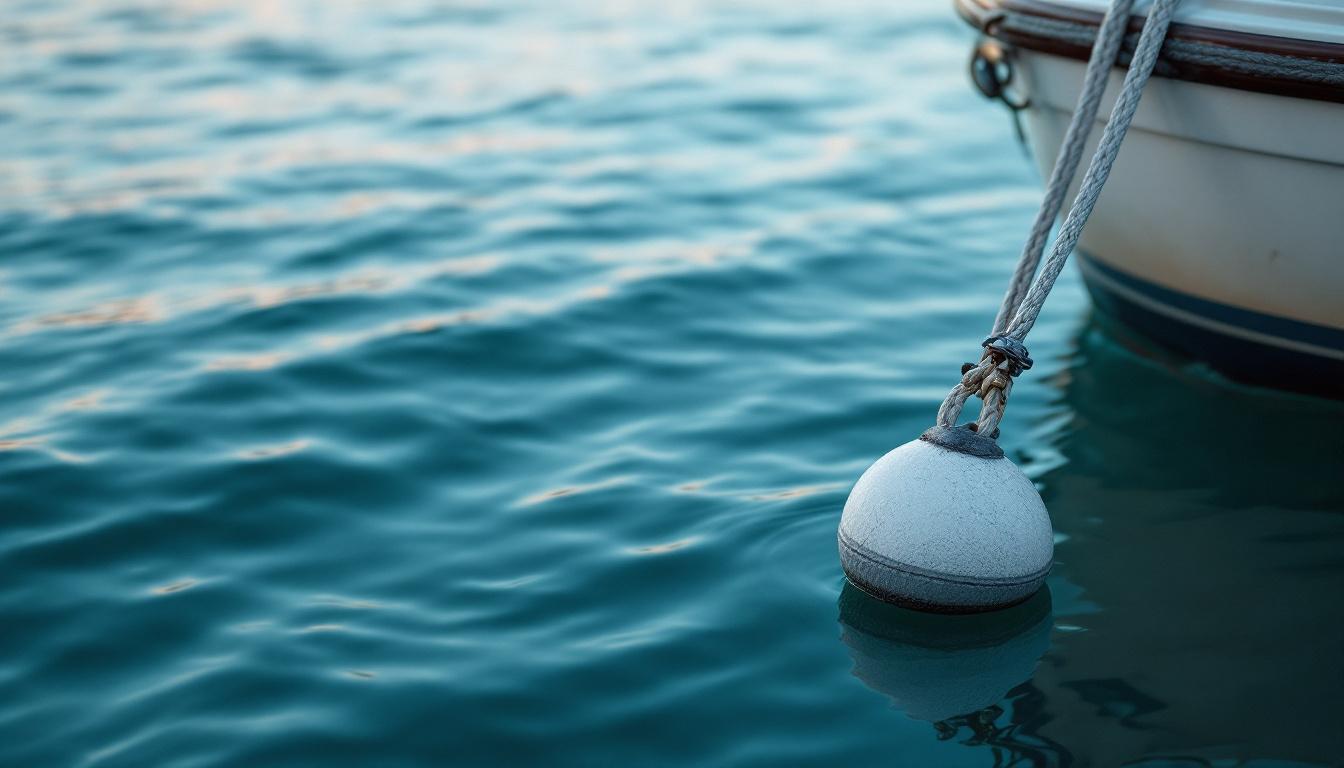
These are often cylindrical or spherical devices attached directly to mooring lines. Their primary function is to provide lift and reduce the overall weight of the mooring line in water. They are typically made from durable materials that resist corrosion and withstand harsh ocean conditions. Additionally, buoyancy modules can be equipped with features such as adjustable buoyancy, allowing operators to modify their lift capacity based on changing environmental conditions or specific operational requirements. This adaptability makes them particularly valuable in dynamic marine environments where conditions can shift rapidly.
Foam-filled buoys
Foam-filled buoys are lightweight and have excellent buoyant properties. They are used not only to support mooring lines but also to mark locations or provide additional stability to floating platforms. The foam inside prevents water ingress, ensuring consistent buoyancy over time. Furthermore, these buoys can be designed in various colors and sizes, making them highly visible and effective for navigation purposes. Their versatility extends to applications in recreational boating, where they can serve as mooring aids or safety markers. The incorporation of reflective materials can enhance their visibility at night, ensuring safety for all marine traffic.
Syntactic foam elements
Syntactic foam is a composite material consisting of hollow microspheres embedded in a resin matrix. It offers high buoyancy with minimal volume and exceptional resistance to pressure, making it ideal for deep-water mooring applications. These elements can be custom-shaped to fit specific mooring configurations. In addition to their buoyancy characteristics, syntactic foam elements are also known for their thermal insulation properties, which can be beneficial in protecting sensitive equipment from temperature fluctuations in deep-sea environments. Their lightweight nature combined with high strength makes them an excellent choice for subsea installations, where reliability and performance are paramount. Moreover, advancements in manufacturing techniques have allowed for the development of syntactic foams with enhanced durability, further extending their lifespan in demanding marine settings.
How buoyancy improves mooring system performance
Adding buoyancy to mooring lines isn’t just about lifting weight. It fundamentally changes how the system behaves under stress, improving durability, safety, and operational efficiency.
Shock absorption and load distribution
Buoyancy allows mooring lines to form natural curves rather than being rigid. This curvature acts like a shock absorber, smoothing out sudden forces from waves or wind gusts. The result is less wear on mooring components and a longer service life. Additionally, the ability of buoyant lines to flex and adapt to changing conditions means that the entire mooring system can respond more effectively to environmental stresses, reducing the likelihood of catastrophic failures. This adaptability is particularly beneficial in locations where weather conditions can change rapidly, allowing for a more resilient infrastructure.
Enhanced stability in dynamic environments
In areas with strong currents or frequent storms, mooring systems face constant movement. Buoyancy helps maintain consistent tension in the lines, preventing slack or excessive tightness. This balance keeps floating structures more stable, reducing the risk of tilting or drifting. Furthermore, buoyant mooring systems can also mitigate the effects of oscillations caused by wave action, allowing vessels to remain in their intended positions with minimal disruption. This stability is crucial not only for the safety of the vessels and their cargo but also for the protection of marine ecosystems that could be disturbed by erratic movements.
Reduced fatigue on anchors and seabed
By lifting parts of the mooring line, buoyancy reduces the downward force on anchors. This decreases the chance of anchor dragging and seabed erosion. It also means anchors can be designed with less extreme specifications, making installation easier and less invasive. The reduced stress on the seabed can lead to healthier marine habitats, as there is less disturbance to the sediment and the organisms that inhabit it. Moreover, this reduction in anchor fatigue can extend the lifespan of the mooring system as a whole, leading to lower maintenance costs and fewer interruptions in operations, which is particularly advantageous for commercial shipping and offshore energy sectors.
Design considerations for integrating buoyancy in mooring
Incorporating buoyancy into mooring systems requires careful planning. Factors such as water depth, environmental conditions, and the specific floating structure all influence design choices. The interplay between these elements can significantly affect the overall functionality and safety of the mooring system, necessitating a comprehensive approach to design and implementation.
Placement and quantity of buoyancy devices
Deciding where and how many buoyancy elements to add is critical. Too few, and the benefits diminish; too many, and the system can become unstable or overly complex. Engineers use modeling software and field data to optimize the distribution for maximum stability. Additionally, the orientation of the buoyancy devices can impact the hydrodynamic forces acting on the structure, necessitating simulations that account for various sea states and load conditions. The strategic placement of these devices can also enhance the overall aesthetic of the installation, blending functionality with visual appeal.
Material selection and durability
Marine environments are harsh. Buoyancy devices must resist corrosion, biofouling, and mechanical damage. Materials like high-density polyethylene, polyurethane foams, and syntactic foams are popular for their resilience and longevity. Furthermore, advancements in material science have led to the development of composite materials that offer improved strength-to-weight ratios and resistance to environmental stressors. These innovations allow for lighter buoyancy solutions that do not compromise on performance, thus expanding the potential applications of buoyancy in mooring systems.
Maintenance and inspection
Even the best-designed buoyancy systems require regular checks. Over time, damage or degradation can reduce buoyancy, compromising mooring stability. Routine inspections help identify issues early, ensuring continued performance and safety. In addition to visual inspections, employing advanced monitoring technologies, such as underwater drones or remote sensing equipment, can provide real-time data on the condition of buoyancy devices. This proactive approach not only enhances safety but also allows for timely maintenance interventions, potentially extending the lifespan of the mooring system and reducing long-term operational costs.
Real-world examples of buoyancy in mooring stability
Buoyancy-enhanced mooring systems have proven their worth in numerous offshore projects worldwide. Here are a few notable examples:
Floating wind farms
Floating wind turbines rely heavily on stable mooring to maintain their position and maximize energy capture. Buoyancy modules attached to mooring lines help manage tension and reduce fatigue, allowing turbines to withstand rough seas and strong winds.
Offshore oil platforms
Oil platforms use complex mooring arrays to stay anchored in place. Buoyancy devices reduce the load on anchors and mooring lines, enabling platforms to operate safely even during severe weather events. This stability is critical for both operational efficiency and environmental protection.
Research buoys and oceanographic instruments
Scientific buoys deployed for data collection often use buoyancy to maintain their position and orientation. Proper mooring stability ensures accurate measurements and prevents equipment loss or damage.
Challenges and future trends in buoyancy-enhanced mooring
While buoyancy offers many benefits, it also presents challenges. Designers must balance buoyancy with weight and environmental forces, ensuring that mooring systems remain safe and effective.
Addressing biofouling and material degradation
Marine growth on buoyancy devices can add weight and reduce effectiveness. Advances in antifouling coatings and materials aim to minimize this problem, extending the lifespan of buoyancy elements.
Innovations in smart mooring systems
Emerging technologies include sensors integrated into buoyancy devices to monitor tension, position, and environmental conditions in real time. These smart systems enable proactive maintenance and improved safety.
Environmental considerations
Designers are increasingly focused on minimizing ecological impact. Using environmentally friendly materials and installation methods helps protect marine habitats while maintaining mooring stability.
Frequently Asked Questions
What exactly is buoyancy in the context of mooring systems?
Buoyancy in mooring refers to the upward force exerted by water on buoyant elements attached to mooring lines or floating structures. This force counteracts the weight of the mooring components, helping to reduce tension and improve stability.
How does buoyancy prevent mooring line failure?
By reducing the effective weight of mooring lines, buoyancy allows them to form natural curves that absorb shocks and distribute loads evenly. This decreases stress concentrations that could otherwise lead to fatigue and failure.
Are there specific materials best suited for buoyancy devices?
Yes. Materials like high-density polyethylene, polyurethane foams, and syntactic foams are commonly used because they resist corrosion, withstand pressure, and maintain buoyancy over long periods in marine environments.
Can buoyancy devices be retrofitted to existing mooring systems?
In many cases, yes. Buoyancy modules can be added to existing mooring lines to improve performance and extend service life. However, careful assessment is necessary to ensure compatibility and effectiveness.
How does buoyancy contribute to environmental protection?
By reducing anchor drag and seabed disturbance, buoyancy helps protect marine ecosystems. Stable mooring systems also reduce the risk of accidents and spills, contributing to safer offshore operations.
Final thoughts
Buoyancy is a quiet but powerful ally in the quest for mooring stability. It transforms how mooring lines behave, lessening stress, enhancing durability, and safeguarding both structures and the environment. Whether for floating wind farms, oil platforms, or research buoys, integrating buoyancy thoughtfully makes all the difference in keeping things anchored firmly in place.
As you consider the critical role of buoyancy in mooring stability, remember that innovation and sustainability are at the heart of enduring solutions. Ovun is dedicated to enhancing the safety and performance of your marine operations with our expertise in rotational- and polyurethane moulding, electronics development, and plastic recycling. Our commitment to collaborative partnerships ensures that we work with you to co-create solutions that not only meet but exceed expectations. Embrace the future of mooring with products designed for longevity and, ultimately, recyclability, aligning with our vision of a safe, profitable, and sustainable ocean workplace. Ready to elevate your mooring systems? Contact us today to explore how we can support your needs with smarter, lasting solutions.