Skip to content
Dec 3, 2025
Mooring buoyancy for a safer and greener ocean workplace

Mooring buoyancy for a safer and greener ocean workplace
Effective mooring buoyancy revolutionizes interactions between vessels, researchers, and recreational users with the ocean. By minimizing seabed disruption, incorporating advanced monitoring, and utilizing eco-friendly materials, contemporary mooring buoy systems foster safer and more sustainable marine environments. This article delves into the significance of buoyancy, the role of innovative technologies and designs in mitigating environmental impact, and key considerations for organizations when selecting and deploying mooring systems.
Why does mooring buoyancy matter for safety and the environment?
Mooring buoyancy is not merely about anchoring a vessel. It influences the load on mooring lines, seabed contact, and the risk of wear or breakage under weather conditions. A system that maintains proper buoyancy and constant tension minimizes swinging, unexpected loads, and component wear.
Environmentally, the impact is substantial. Traditional chain and anchor solutions can uproot vegetation, create scour around anchor points, and form dead zones where seagrass and corals cannot thrive. Modern buoyancy solutions reduce physical contact with the substrate and protect vulnerable habitats, which is crucial in national marine reserves and coral areas.
Additionally, proper buoyancy extends the lifespan of the mooring system. By evening out the loads on lines and anchors, the risk of corrosion and damage over time is reduced, saving costs and resources on maintenance and replacement. This also has a positive environmental effect by reducing the need for new parts to be produced and discarded.
Technological advancements in buoyancy technology have also enabled the customization of mooring systems to specific environmental conditions and vessel sizes, providing optimal safety and environmental protection. For instance, modular buoyancy units can be easily adjusted or replaced as conditions change, offering flexibility in use and maintenance.
What happens when a system lacks proper buoyancy?
Without adequate buoyancy, lines may drag across the seabed, especially in strong currents or waves, causing mechanical wear on vegetation and corals. Variations in buoyancy also lead to unpredictable forces on anchors and mooring points, increasing the likelihood of failure, equipment loss, and hazardous situations for crew and recreational users.
How do modern mooring solutions reduce environmental harm?
New solutions are designed to maintain constant tension without dragging the seabed. Elastic systems and specially designed float elements provide a cushioning effect that prevents lines from contacting the substrate, even in large waves and currents. This limits both physical damage and sediment resuspension, which can otherwise smother seagrass and coral reefs over time.
Field examples show that when chains are replaced or supplemented by flexible, buoyancy-regulated components, habitat health improves. Particularly in sensitive areas like coral reefs or seagrass beds, such systems offer clear benefits for biodiversity.
Furthermore, modern mooring solutions reduce the need for frequent maintenance and replacement, minimizing disturbances in the marine environment. Less mechanical intervention also means a lower risk of oil and chemical spills, as well as reduced carbon emissions from service boats that would otherwise operate frequently.
Technological advancements in monitoring also allow for real-time tracking of mooring system conditions, ensuring early intervention before damage occurs. This prevents unintended environmental impacts and extends the lifespan of both equipment and the surrounding ecosystem.
Which materials and design choices yield the best environmental outcomes?
Material selection is crucial. Plastics and composite materials are now being developed with a focus on recyclability or biodegradability, reducing the environmental footprint when equipment reaches the end of its life. Additionally, designs that reduce friction against the seabed and keep lines taut are safer for both marine habitats and users.
Technological advancements: How do smart buoys make ocean workplaces safer?
Integrating sensors and IoT technology into buoys provides real-time data on load, position, weather conditions, and system gaps. Such data enables the prediction of wear, proactive maintenance planning, and the avoidance of critical failures that could lead to anchor loss or damage to marine habitats.
Smart buoys can also send alerts to users via apps or published map layers, enhancing safety for sailors, diving groups, and research vessels. Remote monitoring minimizes the need for inspection trips and reduces emissions associated with maintenance.
Moreover, advanced communication protocols allow buoys to integrate seamlessly with existing maritime monitoring systems. This ensures operators have a comprehensive and updated situational understanding, especially important in busy marine areas where many actors operate simultaneously. The technology also enables automated response systems that can activate emergency stops or trigger alarm procedures upon detecting dangerous situations.
Additionally, the use of autonomous buoys equipped with artificial intelligence allows systems to learn from historical data and predict patterns that may indicate danger, such as changes in current or wave conditions. This predictive capability enhances preparedness and enables action before problems arise, crucial for protecting both human life and the environment.
What does improved durability and efficiency mean in practice?
Material and construction improvements mean modern buoys withstand stronger stresses and have longer lifespans. This results in lower lifecycle costs and fewer replacements, which is both economically and environmentally beneficial. Robust design combined with sensor-based monitoring provides a comprehensive view of system conditions and reduces unforeseen failures.
Case studies and national initiatives: Which projects are leading the way?
Examples from public projects demonstrate how well-planned mooring systems make a difference. In June 2025, a national marine management agency installed systematic mooring buoys in several marine national sanctuaries to protect sensitive resources and make recreational use safer. These installations are designed to minimize seabed contact and support safe access for kayakers, divers, and recreational vessels.
In some reserves, experiments were conducted with subsurface buoys placed below the wave axis. Such designs reduce exposure to surface wear and minimize coral abrasion by keeping mooring lines away from the seabed and turbulent surface conditions.
Another innovative project demonstrated how integrating sensor-based mooring systems can provide real-time data on environmental conditions, such as current strength and water quality. This has enabled managers to dynamically adjust mooring strategies and thus prevent ecological damage before it occurs. The project, conducted in collaboration with local research institutions, has also strengthened community engagement in conservation efforts.
Furthermore, a European collaboration has launched a series of pilot projects combining mooring systems with green technology, such as solar-powered monitoring stations integrated into the buoys. These systems monitor fish stocks and environmental impacts without the need for frequent manual inspections, contributing to more efficient resource use and better protection of marine nature.
Why do subsurface buoys work in vulnerable areas?
Subsurface buoys offer constant tension without sinking or contacting coral tops or seagrass. Because they lie below the wave crests, mechanical wear and UV exposure are reduced, while the system provides stable buoyancy for vessels above. This makes them suitable in nature reserves and areas with high biodiversity.
Market trends and future prospects: What can be expected by 2033?
The mooring buoy market is rapidly growing, driven by increased offshore activity, recreation, and public conservation projects. Market analyses estimated its value at around USD 1.5 billion in 2024, with expected growth to approximately USD 2.8 billion by 2033. This growth is supported by a combination of technological innovation and a stronger focus on sustainability.
Regulatory pressure, particularly in Europe through directives like the Marine Strategy Framework Directive, stimulates the market to adopt environmentally friendly materials and solutions. Manufacturers are investing in recyclable composites and alternatives that reduce microplastic dispersion and waste at the end of life.
Technological advancements also play a key role in market development. Sensor integration and digital monitoring enable real-time tracking of buoy performance, improving safety and efficiency in fleet management. This type of innovation is expected to become a standard feature in the coming years, offering users opportunities for predictive maintenance and better resource utilization.
Another area of growing interest is the adaptation of buoy solutions to climate change. Stronger storms and varying sea levels require flexible and robust mooring systems that can withstand harsh conditions. The market is responding with the development of modular and scalable buoy solutions that can be adapted to geographical and environmental challenges.
Which commercial trends influence buoy selection?
An increasing number of suppliers offer complete packages with intelligent buoys, monitoring services, and environmentally friendly materials. Customers demand solutions that combine long lifespan, low maintenance needs, and proven environmental benefits. This combination increases investment willingness among authorities, marinas, and offshore operators.
How to choose and implement a mooring system for work and conservation?
System selection should begin with a mapping of habitat, current and wave conditions, and usage patterns. Sensitive seabed types like coral reefs or seagrass beds require solutions that minimize seabed contact and sediment disturbance. Then, material selection should prioritize durability and environmental responsibility.
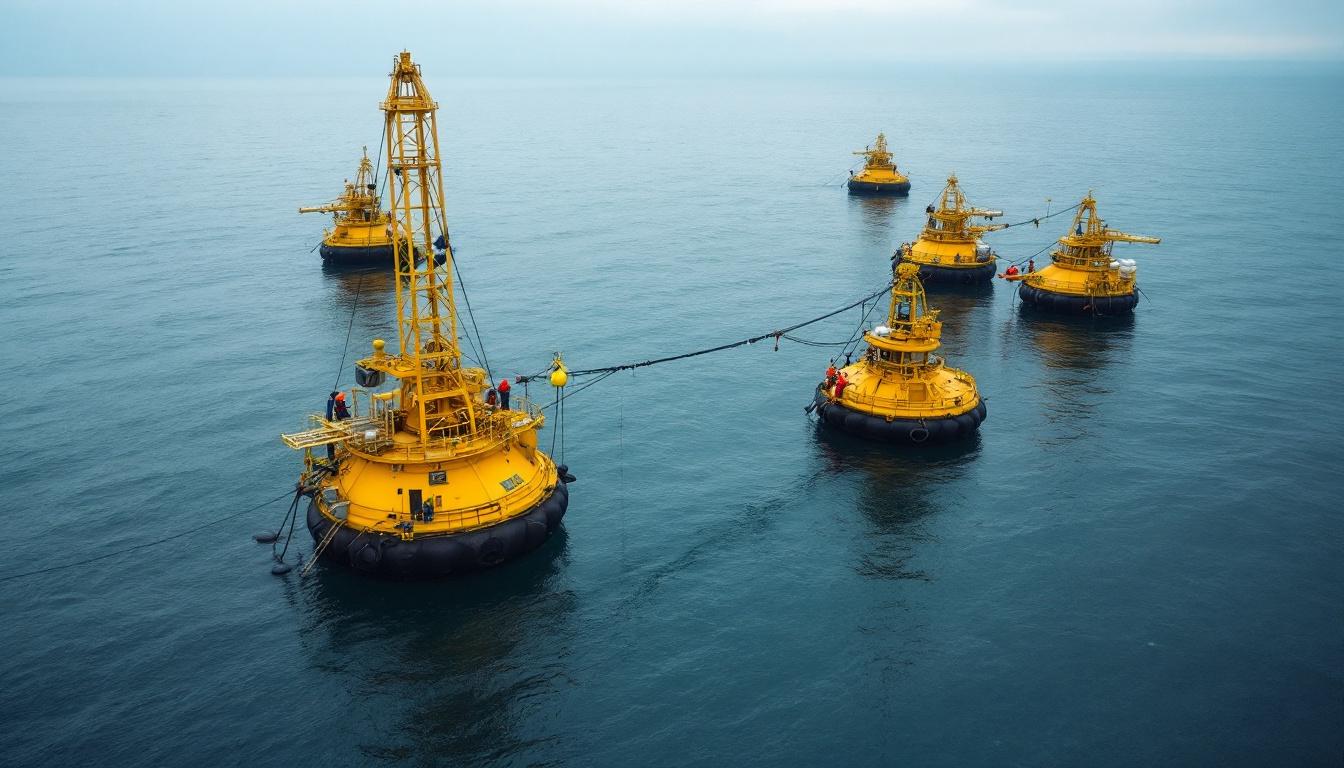
Introduce phased implementation: pilot installations to test local conditions, sensor installations for real-time data, and a maintenance plan based on lifecycle analyses. Educate users on where and how to moor in ways that do not harm habitats, and publish position data via open map layers to reduce unintended damage.
Which training and maintenance routines yield the best results?
Regular inspection combined with data-driven maintenance is optimal practice. Personnel should be trained to identify corrosion, rope wear, and signs of anchors that have shifted. Documented maintenance reduces the risk of loss and provides evidence of compliance with environmental requirements to regulatory authorities.
What economic and regulatory considerations must be taken into account?
While investing in environmentally friendly and smart buoys may be more expensive initially, they often offer lower total ownership costs through reduced maintenance and longer lifespan. Public-private partnerships can be an effective financing tool for larger conservation and recreation projects.
Regulatory compliance is critical. Considerations such as documented non-harmful impact on habitats, use of approved materials, and adherence to national and regional directives must be part of the planning process. Documentation from sensors and inspections can also be used for reporting and compliance.
Conclusion: How does proper mooring buoyancy contribute to a greener and safer offshore workplace?
Proper mooring buoyancy reduces physical damage to marine habitats, enhances safety for vessels and personnel, and lowers operational costs through increased durability and smart monitoring. With markets growing and technology maturing, it is now realistic to combine operational requirements with conservation ambitions.
Planned solutions that prioritize environmental considerations, data-driven maintenance, and user-friendliness form the foundation for a more sustainable and secure maritime infrastructure. For everyone working by or with the ocean, modern mooring systems represent a turning point between outdated wear and future responsible practices.
At Ovun, we combine expertise in rotational and polyurethane molding, electronics development, and plastic recycling to deliver innovative mooring solutions that enhance safety and sustainability across marine environments. Explore how our versatile products can support a greener and safer ocean workplace by visiting our product overview.