Skip to content
Dec 2, 2025
Buoyancy and mooring efficiency explained
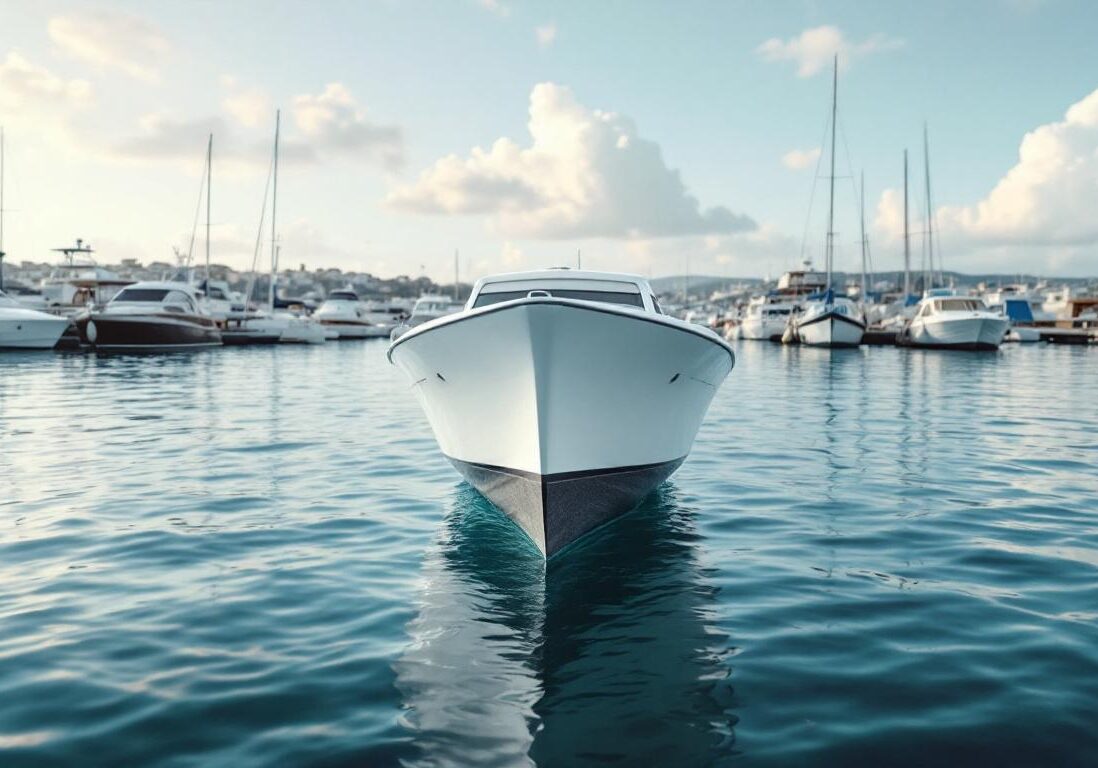
Imagine a large vessel anchored in the middle of a choppy sea. The waves push and pull, the wind howls, and yet the ship remains steady, securely tethered to the ocean floor. What keeps it from drifting away or capsizing? The answer lies in the principles of buoyancy and the efficiency of its mooring system. Understanding these two concepts is crucial not only for maritime engineers and sailors but also for anyone interested in how vessels and floating structures interact with water and forces around them.
What is Buoyancy and Why Does It Matter?
Buoyancy is the upward force exerted by a fluid that opposes the weight of an object immersed in it. This force is what keeps boats, ships, and even floating platforms from sinking. It’s a fundamental principle that dates back to Archimedes, who famously discovered that the buoyant force on an object is equal to the weight of the fluid it displaces.
Without buoyancy, none of the floating structures we rely on would exist. It’s the reason why a massive cruise ship can stay afloat despite its enormous weight. The distribution of buoyant force across the hull of a vessel helps maintain stability and balance, preventing it from tipping over. Additionally, buoyancy is not just limited to large vessels; it also plays a crucial role in smaller watercraft, such as kayaks and canoes, where the design and weight distribution are critical for ensuring that they remain stable and easy to maneuver on the water.
The Role of Buoyancy in Vessel Stability
Buoyancy doesn’t just keep a vessel afloat; it plays a key role in its stability. When a ship tilts or heels due to wind or waves, the center of buoyancy shifts. This shift creates a righting moment, a force that pushes the vessel back to its upright position. The interplay between the center of gravity and the center of buoyancy determines how stable the vessel is in rough waters. For instance, a vessel designed with a low center of gravity will generally be more stable, as it can better resist the forces that cause it to tip.
Understanding this relationship helps naval architects design hulls that maximize stability and safety. If the center of gravity is too high or the buoyant force is unevenly distributed, the ship becomes prone to capsizing. Furthermore, the materials used in construction also influence buoyancy; lighter materials can enhance buoyancy while ensuring structural integrity. Innovations in design, such as the incorporation of stabilizing fins and ballast systems, further enhance the buoyancy effects, allowing vessels to navigate more safely through turbulent waters. This intricate balance of forces is a testament to the sophistication of marine engineering and the ongoing quest for safer, more efficient maritime travel.
Mooring Systems: Anchoring Vessels Securely
While buoyancy keeps a vessel afloat, mooring systems keep it in place. Mooring refers to the methods and equipment used to secure a ship, platform, or buoy to a fixed point, such as the seabed or a dock. Effective mooring is essential to prevent drifting, especially in strong currents, tides, and storms. The importance of a reliable mooring system cannot be overstated, as it not only safeguards the vessel but also protects the surrounding marine environment and infrastructure from potential damage.
Types of Mooring Systems
Mooring systems come in various forms depending on the environment and vessel type. Common types include:
- Single-point mooring: Often used for tankers, this system allows the vessel to rotate around a single anchor point, accommodating changes in wind and current direction. This flexibility is particularly advantageous in busy shipping lanes where maneuverability is crucial.
- Spread mooring: Uses multiple anchors arranged around the vessel to hold it firmly in place, ideal for floating production platforms. This method enhances stability and is often employed in offshore oil and gas operations where environmental conditions can be unpredictable.
- Dynamic positioning: Although not a traditional mooring method, this system uses thrusters controlled by computers to maintain position without anchors. It is especially useful in deep-water operations where anchoring is impractical, allowing vessels to remain stationary even in challenging conditions.
Each system balances the need for security with flexibility, allowing vessels to respond to environmental forces without breaking free. The choice of mooring system is often influenced by the specific operational requirements and environmental conditions of the location, making it a critical aspect of marine engineering.
Factors Influencing Mooring Efficiency
Mooring efficiency depends on several factors, including the type and weight of anchors, the length and elasticity of mooring lines, seabed conditions, and environmental forces like wind, waves, and currents. A well-designed mooring system absorbs and distributes these forces to minimize stress on the vessel and equipment. The interaction between the vessel and its mooring system is a dynamic one, requiring careful consideration of the forces at play.
Elasticity in mooring lines, for example, can act like a shock absorber, reducing sudden jolts caused by waves. Meanwhile, the choice of anchor type—whether drag embedment, suction, or gravity—depends on the seabed composition and the expected load. The seabed itself can vary significantly from one location to another, with factors such as sediment type, hardness, and underwater topography playing a crucial role in the effectiveness of the mooring system. Additionally, advancements in materials technology have led to the development of high-strength synthetic lines that offer greater durability and reduced weight, further enhancing mooring performance. As the maritime industry continues to evolve, understanding these factors becomes increasingly vital for ensuring the safety and efficiency of marine operations.
The Interaction Between Buoyancy and Mooring
Buoyancy and mooring don’t operate in isolation. Their interaction is crucial for the overall performance and safety of floating structures. The buoyant force affects how much tension the mooring lines experience, while the mooring system influences the vessel’s position and orientation in the water.
How Buoyancy Affects Mooring Loads
The buoyant force supports the weight of the vessel, but it also affects how forces are transmitted through the mooring lines. For instance, if a vessel is heavily loaded and sits lower in the water, the mooring lines may experience increased tension due to reduced buoyancy margin. Conversely, a vessel with excess buoyancy might have more slack in the mooring lines, which can lead to different dynamic behaviors.
Designing mooring systems requires careful analysis of buoyancy characteristics to ensure lines are neither too tight nor too loose under varying conditions. This analysis often involves computational fluid dynamics simulations and physical model testing to predict how changes in buoyancy will impact mooring loads during different weather scenarios. Engineers must consider factors such as wave height, wind speed, and current direction, all of which can significantly alter the forces acting on the mooring system.
Optimizing Mooring Efficiency Through Buoyancy Control
Some advanced floating structures use adjustable buoyancy to optimize mooring efficiency. By controlling ballast tanks or other buoyancy devices, operators can change the vessel’s draft and center of buoyancy. This adjustment helps maintain optimal tension in mooring lines and enhances stability in changing sea states.
Such systems are common in offshore oil platforms and floating wind turbines, where maintaining position and stability is critical for operational safety and efficiency. In these environments, the ability to dynamically adjust buoyancy not only improves mooring performance but also enhances the overall resilience of the structure against extreme weather events. For instance, during a storm, operators can increase ballast to lower the center of gravity, thereby reducing the risk of capsizing while simultaneously ensuring that mooring lines remain adequately tensioned to withstand the forces exerted by turbulent waters.
Moreover, the integration of real-time monitoring technologies allows for continuous assessment of the buoyancy and mooring system’s performance. Sensors can provide data on water conditions and vessel behavior, enabling operators to make informed decisions about buoyancy adjustments. This proactive approach not only enhances safety but also contributes to the longevity of the mooring system by preventing excessive wear and tear on the lines and anchors.
Common Challenges and Solutions in Mooring and Buoyancy
Despite careful design, mooring systems and buoyancy management face challenges. Harsh weather, unexpected seabed conditions, and equipment wear can all compromise performance. The complexities of marine environments necessitate a proactive approach to ensure the safety and efficiency of maritime operations.
Dealing with Environmental Forces
Strong winds, waves, and currents can exert tremendous forces on moored vessels. These forces can cause mooring lines to snap or anchors to drag. Engineers often incorporate redundancy into mooring designs, using multiple lines and anchors to share the load. Additionally, advanced materials such as high-strength synthetic fibers are increasingly being utilized to enhance the durability and flexibility of mooring lines, allowing them to withstand extreme conditions without compromising safety.
Regular inspection and maintenance are also essential to detect wear and corrosion before failures occur. The implementation of remote monitoring technologies, such as sensors and drones, has revolutionized the inspection process, enabling real-time data collection and analysis. This proactive approach not only helps in identifying potential issues early on but also significantly reduces manual labor and associated costs.
Managing Buoyancy Changes
Changes in buoyancy can result from loading and unloading cargo, fuel consumption, or water ingress. These changes affect vessel trim and stability. Ballast systems help manage these variations by pumping water in or out of tanks to adjust buoyancy and balance. Furthermore, the integration of automated ballast control systems allows for precise adjustments in response to real-time conditions, enhancing operational efficiency and safety.
Failing to manage buoyancy properly can lead to dangerous situations, including capsizing or structural damage. In addition to traditional ballast methods, innovative solutions such as active fins and stabilizers are being explored to improve vessel stability in turbulent waters. These systems actively respond to changing sea conditions, providing an additional layer of safety and comfort for both crew and cargo. As the maritime industry continues to evolve, the focus on enhancing buoyancy management through technology and engineering will play a crucial role in mitigating risks associated with marine operations.
Frequently Asked Questions
How does buoyancy keep a ship from sinking?
Buoyancy provides an upward force equal to the weight of the water displaced by the ship. This force counteracts gravity, keeping the ship afloat. If the buoyant force is greater than or equal to the ship’s weight, the ship will not sink.
What factors determine the efficiency of a mooring system?
The efficiency of a mooring system depends on anchor type, mooring line material and length, seabed conditions, and environmental forces such as wind, waves, and currents. Proper design and maintenance also play critical roles in ensuring the system performs as intended.
Can mooring lines absorb shocks from waves?
Yes, mooring lines often have some elasticity, which allows them to absorb and dissipate energy from waves and sudden movements. This elasticity acts like a shock absorber, reducing stress on the vessel and mooring equipment.
Why is the center of buoyancy important for vessel stability?
The center of buoyancy is the point where the buoyant force acts. Its position relative to the center of gravity determines the vessel’s stability. If the center of buoyancy shifts appropriately when the vessel tilts, it creates a righting moment that helps the vessel return to an upright position.
How do floating platforms adjust buoyancy to improve mooring?
Floating platforms use ballast tanks or other buoyancy control devices to adjust their draft and center of buoyancy. By changing how deep they sit in the water, they can optimize tension in mooring lines and improve stability under varying sea conditions.
Final Thoughts
Buoyancy and mooring efficiency are foundational concepts in marine engineering that work hand in hand to keep vessels and floating structures safe and stable. Understanding how buoyant forces interact with mooring systems helps in designing robust solutions that can withstand the dynamic and often harsh marine environment. Whether it’s a small boat or a massive offshore platform, mastering these principles is key to navigating the waters safely and effectively.

If you’re inspired by the intricate dance between buoyancy and mooring systems and are seeking to enhance the safety and performance of your marine operations, look no further. At Ovun, we specialize in leveraging the unique properties of plastic materials through rotational- and polyurethane moulding, electronics development, and plastic recycling to bring you innovative solutions tailored to the seismic, offshore, subsea, aquaculture, and marine markets. Our commitment to collaboration means we work hand-in-hand with you to co-create products that not only meet but exceed your expectations. With a focus on durability and sustainability, we ensure that our solutions stand the test of time and contribute to a more sustainable ocean workplace. Ready to embark on a journey of innovation and partnership? Contact us today and take the first step towards transforming the ocean into a safer, more profitable, and sustainable workplace.