Skip to content
Dec 1, 2025
Choosing the right buoyancy for offshore work

When a heavy piece of equipment sinks beneath the waves, the right buoyancy can be the difference between a smooth operation and a costly delay. Offshore work demands precision, safety, and reliability, especially when dealing with the unpredictable nature of the ocean. Selecting the appropriate buoyancy solution isn’t just about keeping things afloat-it’s about ensuring stability, efficiency, and safety in some of the most challenging environments on the planet.
Understanding Buoyancy and Its Importance Offshore
Buoyancy is the upward force that a fluid exerts on an object immersed in it. In offshore operations, this force is harnessed to keep equipment, structures, and personnel afloat or neutrally buoyant. But it’s not just about floating; it’s about controlling how objects behave underwater. The principles of buoyancy are crucial not only for the safety of operations but also for the efficiency of various marine tasks, including the installation of subsea infrastructure and the deployment of underwater vehicles.
Imagine trying to lower a heavy pipeline section to the seabed. Without the right buoyancy, it could sink too fast, causing damage or becoming uncontrollable. Conversely, too much buoyancy might cause it to float away or resist placement. The key is balance. Achieving this balance requires careful calculations and simulations to predict how the object will react in the water, taking into account factors such as water density, temperature, and the specific weight of the materials involved. Engineers often utilize advanced software to model these scenarios before actual deployment, ensuring that every operation is executed with precision.
Types of Buoyancy Used Offshore
There are several buoyancy options tailored for offshore work:
- Synthetic Buoyancy: Made from materials like closed-cell foam, these are lightweight, corrosion-resistant, and provide consistent buoyancy over time. They are particularly favored for their durability and low maintenance, making them ideal for long-term projects in challenging marine environments.
- Steel Buoyancy: Often used for heavy-duty applications, these are robust and can withstand harsh underwater conditions but are heavier and may require coatings to prevent corrosion. Their strength makes them suitable for supporting large structures, such as oil rigs or wind turbines, where stability is paramount.
- Air-Filled Buoyancy: These are inflatable devices that can be adjusted on the fly, offering flexibility in operations but requiring careful monitoring to avoid punctures or leaks. Their adaptability allows for quick responses to changing conditions, which is essential in dynamic offshore environments.
Each type has its place depending on the specific task, environment, and equipment involved. For instance, in deep-water projects where pressure and temperature vary significantly, the choice of buoyancy material can greatly influence the success of the operation. Additionally, the integration of buoyancy systems with other technologies, such as remotely operated vehicles (ROVs) and autonomous underwater vehicles (AUVs), enhances operational capabilities, allowing for more complex tasks to be performed safely and efficiently. The ongoing research into new materials and designs continues to push the boundaries of what is possible in offshore engineering, promising even greater advancements in the future.
Factors to Consider When Selecting Buoyancy
Choosing the right buoyancy isn’t a one-size-fits-all decision. Several factors influence the choice, and understanding these can save time and headaches later.
Weight and Volume of the Equipment
The heavier the equipment, the more buoyancy is needed to counteract its weight underwater. But it’s not just about matching weight; volume plays a role too. Some equipment displaces more water, which affects how buoyancy interacts with it. Calculating the exact buoyancy needed ensures the equipment remains stable and controllable. Additionally, the center of gravity is crucial; if the buoyancy is not appropriately distributed, it can lead to instability, making it difficult to maneuver the equipment effectively. Therefore, a thorough assessment of both weight and volume, alongside the center of gravity, is essential for optimal performance.
Environmental Conditions
Offshore environments vary widely. Cold waters, strong currents, and deep depths all impact buoyancy choices. For example, foam buoyancy might compress under high pressure at great depths, reducing its effectiveness. Steel buoyancy might be better suited for deepwater operations but requires protection against corrosion. Furthermore, the presence of marine life can also affect buoyancy; barnacles and other organisms can attach themselves to buoyant devices, adding weight and potentially altering their performance. Understanding the specific environmental conditions where the equipment will operate can lead to more informed decisions regarding buoyancy materials and designs.
Operational Requirements
How the equipment will be used matters. Is it a temporary lift? A permanent fixture? Does it need to be adjustable? Air-filled buoyancy devices offer flexibility for temporary lifts or adjustments, while synthetic or steel buoyancy is often preferred for permanent or long-term use. Moreover, the frequency of use should also be taken into account; equipment that will be deployed regularly may benefit from buoyancy solutions that are easy to deploy and retrieve, while less frequently used items might prioritize durability over convenience. The specific operational context, including the type of tasks and the duration of deployment, will greatly influence the choice of buoyancy system.
Durability and Maintenance
Offshore equipment faces saltwater corrosion, marine growth, and physical impacts. Buoyancy materials must withstand these challenges. Synthetic buoyancy is low maintenance but can be damaged by sharp objects. Steel buoyancy is tough but requires regular inspection and coatings. Inflatable devices need routine checks for leaks. Additionally, the ease of maintenance is a crucial consideration; some buoyancy solutions may require specialized tools or training for upkeep, which can complicate operations. Regular maintenance schedules should be established to ensure that all buoyancy devices remain in optimal condition, as neglecting this aspect can lead to catastrophic failures during critical operations. Understanding the lifecycle of the buoyancy material can also aid in planning for replacements or upgrades, ensuring that equipment remains reliable over time.
Matching Buoyancy to Specific Offshore Tasks
Different offshore operations demand different buoyancy solutions. Understanding the task at hand guides the selection process.
Subsea Construction and Installation
During subsea construction, heavy modules and pipelines need precise placement. Synthetic buoyancy blocks are often attached to equipment to reduce effective weight, making handling easier. Their resistance to corrosion and consistent buoyancy make them ideal here. Additionally, these buoyancy blocks can be customized in size and shape to fit specific project requirements, ensuring optimal performance in various underwater conditions. The use of advanced materials, such as polyethylene and polyurethane, enhances their durability, allowing them to withstand harsh marine environments while maintaining their buoyant properties over time.
Salvage Operations
Salvage work requires adaptable buoyancy solutions. Inflatable lift bags are common, allowing operators to adjust buoyancy in real-time to safely raise sunken objects. However, these require skilled handling to avoid sudden ascents that could damage the load or endanger divers. The design of these lift bags often incorporates multiple chambers, which not only provides redundancy in case of a puncture but also allows for fine-tuning of buoyancy levels. Furthermore, operators must consider factors such as water currents and the weight distribution of the object being salvaged, as these can significantly impact the lifting process and necessitate careful planning and execution.
Floating Structures and Moorings
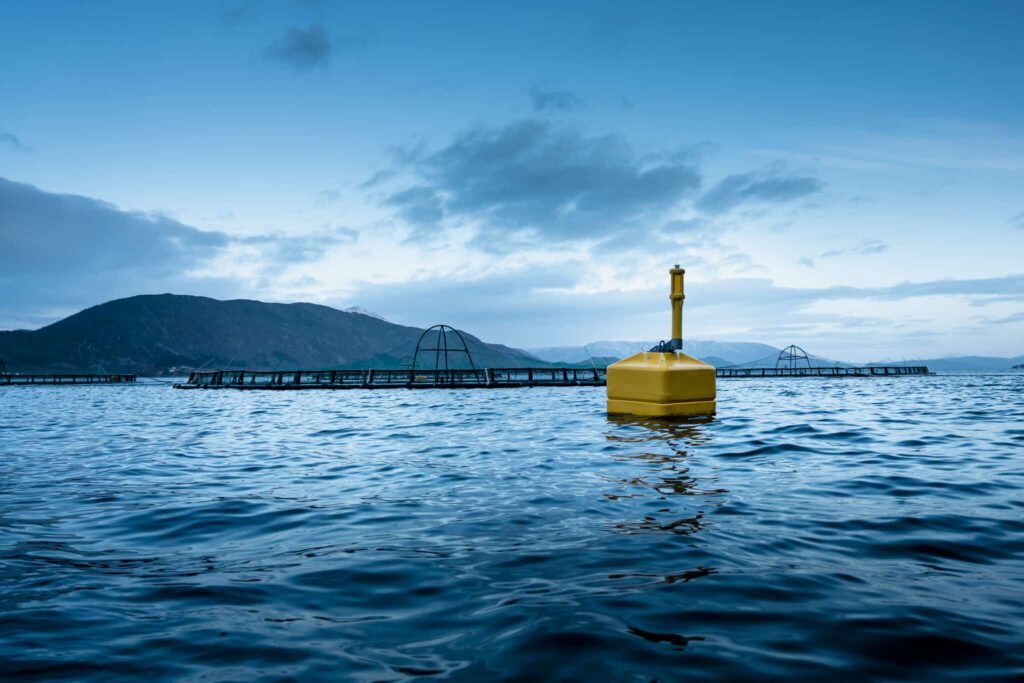
Buoyancy is critical in keeping floating platforms stable and moorings properly tensioned. Steel buoyancy tanks are often integrated into these structures, providing both flotation and structural integrity. Their durability and strength make them suitable for long-term offshore installations. In addition, these tanks can be designed to accommodate various environmental conditions, such as wave action and wind forces, ensuring that floating structures remain stable and secure. Engineers also often incorporate advanced monitoring systems to assess the performance of buoyancy systems in real-time, allowing for proactive maintenance and adjustments that enhance safety and operational efficiency. This integration of technology not only improves the reliability of floating structures but also contributes to the overall sustainability of offshore operations by minimizing the risk of environmental impact from potential failures.
Installation and Safety Considerations
Choosing buoyancy is only part of the equation. Proper installation and safety protocols are equally vital to ensure successful offshore operations.
Correct Attachment Methods
Buoyancy devices must be securely attached to equipment. Improper fastening can lead to detachment, loss of buoyancy, and dangerous situations. Using certified hardware and following manufacturer guidelines is essential. Additionally, it is advisable to conduct a thorough review of the attachment points to ensure they can withstand the dynamic forces encountered in marine environments. Factors such as wave action, currents, and potential impacts from other vessels can all affect the integrity of the attachment. Therefore, employing redundancy in attachment methods, such as using multiple points of connection, can significantly enhance safety and reliability.
Regular Inspections and Testing
Routine checks help identify wear, damage, or degradation before failures occur. Pressure testing inflatable devices, inspecting synthetic blocks for cracks, and checking steel tanks for corrosion are standard practices. Furthermore, it is crucial to maintain a detailed log of all inspections and tests performed, as this documentation can be invaluable for tracking the performance of buoyancy systems over time. Regular training sessions should also be held to familiarize personnel with inspection techniques and the latest safety standards, ensuring that everyone involved is aware of the potential hazards and the importance of maintaining equipment in optimal condition.
Training and Operational Awareness
Personnel must understand the buoyancy systems in use, including their limitations and emergency procedures. This knowledge reduces risks and improves response times if issues arise. Moreover, simulations and drills can be instrumental in reinforcing this training, allowing team members to practice their responses to various emergency scenarios in a controlled environment. Encouraging open communication about safety concerns and experiences can also foster a culture of vigilance and preparedness, where every team member feels empowered to contribute to the overall safety of offshore operations. Engaging with external experts for workshops or refresher courses can further enhance the team’s understanding and capability in managing buoyancy systems effectively.
Frequently Asked Questions
What factors determine the amount of buoyancy needed for offshore equipment?
The amount of buoyancy required depends primarily on the equipment’s weight underwater, its volume, and the environmental conditions such as water depth and pressure. Additionally, operational needs, like whether the buoyancy should be adjustable or permanent, influence the choice. Calculations must consider these elements to ensure the equipment remains stable and manageable.
How does water depth affect buoyancy choice?
Water depth impacts buoyancy because materials like foam compress under high pressure, reducing their buoyant force. At great depths, synthetic buoyancy may lose effectiveness, so steel buoyancy or specially designed materials are preferred. Pressure-resistant inflatable devices can also be used but require careful monitoring.
Are inflatable buoyancy devices safe for all offshore operations?
Inflatable buoyancy devices offer flexibility and are useful in salvage and temporary lifting tasks. However, they require skilled handling to avoid rapid ascents or punctures. They are not always suitable for permanent installations or harsh environments where damage risk is high.
What maintenance is required for synthetic buoyancy materials?
Synthetic buoyancy generally requires minimal maintenance but should be regularly inspected for physical damage such as cracks or abrasions. It’s important to clean off marine growth and check attachment points to ensure safety and performance over time.
Can steel buoyancy be used in corrosive offshore environments?
Yes, steel buoyancy is commonly used offshore but must be protected against corrosion through coatings, cathodic protection, or use of corrosion-resistant alloys. Regular inspections are crucial to detect and address any corrosion before it compromises structural integrity.
Final Thoughts
Choosing the right buoyancy for offshore work is a balancing act that requires understanding the equipment, environment, and operational goals. Whether it’s synthetic foam blocks, steel tanks, or inflatable devices, each option brings unique benefits and challenges. Prioritizing safety, durability, and suitability ensures that operations proceed smoothly, even in the toughest offshore conditions.
With the right buoyancy, heavy equipment becomes manageable, structures stay stable, and offshore projects can move forward without unexpected setbacks. It’s a critical decision that pays off in reliability and peace of mind.
At Ovun, we understand the complexities and demands of offshore work. Our expertise in rotational- and polyurethane moulding, combined with our commitment to electronics development and plastic recycling, positions us to offer you buoyancy solutions that enhance safety, performance, and sustainability. Embrace the opportunity to co-create with us and leverage our innovative solutions tailored for the seismic, offshore, subsea, aquaculture, and marine markets. Together, we can transform the ocean into a workplace that is not only safe and profitable but also sustainable for future generations. Contact us today to discover how our smarter, long-lasting solutions can support your offshore projects and contribute to a sustainable ocean industry.